
Table of Contents
- Are 8 Days Enough in Iceland?
- Should I Spend 8 Days in Iceland in the Summer or the Winter?
- Can You Drive the Ring Road in 8 Days?
- Choosing the Right Rental Car for Eight Days in Iceland
- The Best 8-Day Summer Iceland Itinerary
- The Best 8-Day Winter Iceland Itinerary
- How Much Should You Budget for 8 Days in Iceland
- Essential Safety Tips for an Iceland Road Trip
- Start Planning Your Eight-Day Iceland Road Trip
Are 8 Days Enough in Iceland?
For most travellers, eight days is enough to see many of Iceland’s most popular attractions along the Ring Road and enjoy a varied road trip. However, if you want to get a little bit off the beaten path and see some of Iceland’s more remote areas, such as the Highlands or the Westfjords, you’ll want to plan for a longer trip, at least 10 days.
Should I Spend 8 Days in Iceland in the Summer or the Winter?
It all depends on what you’re after. The experience in Iceland is very different depending on the season that you visit, and both seasons come with their pros and cons. Both seasons, however, are suitable for an 8-day itinerary.
Visiting Iceland in summer
June, July and August offer the longest daylight hours and generally the most favourable driving conditions.
Summer is ideal for:
- Driving the Ring Road
- Hiking and outdoor activities
- Visiting remote regions
- Travelling by campervan
- Seeing puffins and other birdlife
- Experiencing the midnight sun
- Accessing selected Highland roads in a 4x4
Summer is also Iceland’s busiest travel season. Rental cars, accommodation and popular activities can sell out, so booking early is strongly recommended.
Visiting Iceland in winter
From October to April, travellers can experience snowy landscapes, ice caves and the northern lights.
Winter is ideal for:
- Northern lights hunting
- Glacier and ice-cave tours
- Exploring Reykjavík
- Visiting geothermal spas
- Seeing Iceland with fewer summer crowds
- Enjoying dramatic winter scenery
Winter road trips require more flexibility. Weather and road conditions can change quickly, so your itinerary should include a buffer day.

Visiting during May or September
May and September are transitional months.
Road conditions are often suitable for standard road trips, but the weather can be less predictable than in midsummer. Some seasonal roads and activities may not yet be available in May or may begin closing in September.
Check road and weather conditions regularly and avoid planning an itinerary that depends on Highland access.
Can You Drive the Ring Road in 8 Days?
Yes, it is possible to drive the Ring Road in eight days during summer.
The Ring Road, also known as Route 1, is approximately 1,322 kilometres long. Once you include detours to attractions, accommodation and viewpoints, your total journey may reach approximately 1,500 kilometres or more.
An eight-day Ring Road itinerary is best suited to travellers who:
- Are comfortable driving several hours per day
- Do not mind changing accommodation frequently
- Plan their main stops in advance
- Understand that some days will feel busy
- Are willing to adjust the route according to the weather
Ten days or more would provide a more relaxed Ring Road experience, but eight days can still work with good planning.

Choosing the Right Rental Car for Eight Days in Iceland
Your rental car should suit the season, route, group size and amount of luggage you are carrying.
Rental Car Recommendations for an 8-Day Summer Trip to Iceland
A modern 2WD car is normally sufficient for driving the Ring Road in summer, provided you remain on Route 1 and regular access roads.
A 2WD vehicle is often a good choice for:
- Couples
- Solo travellers
- Budget-conscious visitors
- Travellers with limited luggage
- Standard Ring Road itineraries
A 4x4 or SUV may be preferable for:
- Families and larger groups
- Travellers carrying several suitcases
- Extra comfort during long driving days
- Greater stability in changing weather
- Routes that include rougher gravel roads
A 4x4 is required for F-roads and Highland routes. Always check whether your specific rental vehicle is approved for the roads you intend to use.
Rental Car Recommendations for an 8-Day Winter Trip to Iceland
A 4x4 is strongly recommended for winter travel.
It can provide better stability and comfort on snowy or icy roads, but it does not remove the risks created by severe weather. You must still adapt your speed, check conditions and avoid driving when official warnings or road closures are in place.

Campervan trips
A campervan combines transport and accommodation and can offer more freedom during summer.
However, campsites should still be planned in advance, particularly during the busiest months. Travellers should also check which campsites remain open outside the main summer season.

The Best 8-Day Summer Iceland Itinerary
This route is designed for travel in June, July and August. It can also be possible in May or September, depending on the weather and road conditions.
Temperatures range from around 8 degrees Celsius in June (46 degrees Fahrenheit) to 14 degrees Celsius in August (57 degrees Fahrenheit), and snow is limited. Here’s how we recommend you spend your time.
- Day 1: Arrival + Blue Lagoon + Reykjavik
- Day 2: Golden Circle + South Coast to Vik
- Day 3: South Coast (Vik to Jokulsarlon)
- Day 4: Eastfjords
- Day 5: Lake Myvatn
- Day 6: Akureyri + North Iceland
- Day 7: West Iceland to Reykjavik
- Day 8: (Blue Lagoon) + Departure

Now, let's go into the details.
Day 1: Arrival, Blue Lagoon and Reykjavík
After arriving at Keflavík International Airport, collect your rental car and begin your Iceland road trip.
Depending on your arrival time, you can visit the Blue Lagoon or explore the Reykjanes Peninsula before continuing to Reykjavík.
Spend the rest of the day walking around the city centre.
Popular Reykjavík attractions include:
- Hallgrímskirkja Church
- Harpa Concert Hall
- Sun Voyager
- Reykjavík’s old harbour
- Laugavegur shopping street
Driving: Approximately 50 kilometres from Keflavík Airport to Reykjavík
Overnight: Reykjavík
Book the Blue Lagoon in advance and leave enough time between your arrival and entry time in case your flight is delayed.

Day 2: Golden Circle and South Coast to Vík
Begin your day on the Golden Circle, one of Iceland’s most popular sightseeing routes.
The main attractions are:
- Þingvellir National Park
- Geysir geothermal area
- Gullfoss waterfall
After completing the Golden Circle, continue towards the South Coast.
Depending on your pace, you may also stop at:
- Kerið volcanic crater
- Seljalandsfoss
- Gljúfrabúi
- Skógafoss
End your day in or around Vík.
Driving: Approximately 300 kilometres, depending on detours
Driving time: Around 4.5 to 5.5 hours, excluding stops
Overnight: Vík or the surrounding area
This is a full sightseeing day, so start early and avoid adding too many optional stops.
Day 3: Vík to Jökulsárlón and Höfn
Begin with the main attractions around Vík.
Possible stops include:
- Reynisfjara black-sand beach
- Dyrhólaey
- Vík village
- Fjaðrárgljúfur canyon
- Skaftafell
- Jökulsárlón glacier lagoon
- Diamond Beach
You can also book a guided glacier hike or seasonal boat tour, but allow enough time in your schedule.
Continue to Höfn or stay near Jökulsárlón.
Driving: Approximately 270 kilometres from Vík to Höfn
Driving time: Around 3.5 hours, excluding stops
Overnight: Höfn or the Jökulsárlón area
Reynisfjara is beautiful but can be dangerous. Stay well away from the water and never turn your back on the waves.

Day 4: Höfn and the Eastfjords
Continue north through the Eastfjords, one of Iceland’s quieter and most scenic regions.
The route includes coastal roads, mountains, fishing villages and numerous viewpoints.
Possible stops include:
- Djúpivogur
- Berufjörður
- Breiðdalsvík
- Fáskrúðsfjörður
- Reyðarfjörður
- Egilsstaðir
- Seyðisfjörður, if time allows
Driving: Approximately 260 kilometres from Höfn to Egilsstaðir
Driving time: Around 4 hours, excluding stops
Overnight: Egilsstaðir or Seyðisfjörður
Some sections are winding, so allow more time than the distance may suggest.
Day 5: East Iceland to Lake Mývatn
Leave East Iceland and drive towards the volcanic landscapes around Lake Mývatn.
Depending on your chosen route and available time, possible stops include:
- Stuðlagil canyon
- Möðrudalur
- Dettifoss
- Hverir geothermal area
- Krafla
- Víti crater
- Lake Mývatn
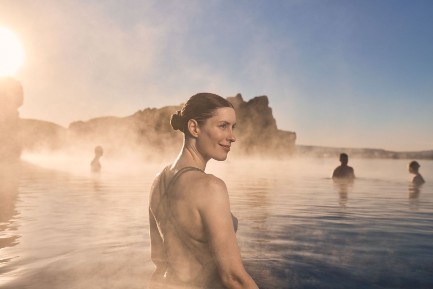
Finish the day with a relaxing visit to the Mývatn Nature Baths or another local geothermal bathing location.
Driving: Approximately 200 to 300 kilometres, depending on detours
Driving time: Around 3 to 5 hours, excluding stops
Overnight: Lake Mývatn area
Check the road used to reach Dettifoss before travelling, as conditions and accessibility can vary.
Day 6: Lake Mývatn, Goðafoss and Akureyri
Spend the morning exploring more of the Mývatn region.
Popular attractions include:
- Dimmuborgir lava formations
- Skútustaðagígar pseudocraters
- Grjótagjá
- Hverfjall
- Höfði
- Hverir
Continue west and stop at Goðafoss before reaching Akureyri.
Akureyri is Iceland’s largest town outside the capital region and offers restaurants, shops, museums and a botanical garden.
Driving: Approximately 100 kilometres
Driving time: Around 1.5 hours, excluding stops
Overnight: Akureyri or nearby
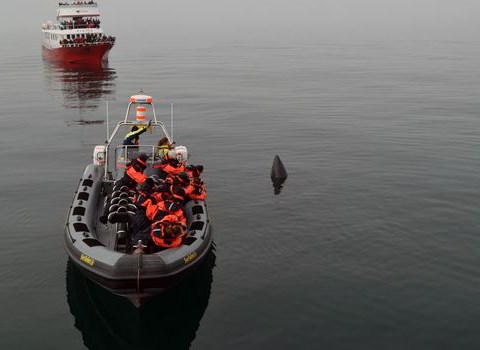
Travellers interested in whale watching may consider a tour from Húsavík or Eyjafjörður, although this requires additional time.

Day 7: Akureyri to Reykjavík
Day seven is the longest point-to-point driving day of the itinerary.
Leave Akureyri early and drive towards Reykjavík through North and West Iceland.
Possible stops include:
- Glaumbær turf farm
- Hvítserkur, with a significant detour
- Grábrók crater
- Borgarnes
- Deildartunguhver
- Hraunfossar and Barnafoss, if time allows
Driving: Approximately 390 kilometres directly
Driving time: Around 5 hours without major detours
Overnight: Reykjavík or the Keflavík area
Keep optional stops limited. Adding too many detours can turn this into a very long day.
Day 8: Reykjavík, Reykjanes or Departure
Use your final day according to your flight schedule.
Options include:
- Exploring Reykjavík
- Visiting the Blue Lagoon
- Driving through the Reykjanes Peninsula
- Enjoying a final geothermal pool
- Returning your rental car and heading to the airport
Always allow enough time for refuelling or charging, returning the vehicle, completing the return inspection and travelling to the terminal.
Below, you will find the driving route and the attractions that you can explore on your 8-day self-drive trip in Iceland in the summer:
The Best 8-Day Winter Iceland Itinerary
If you decide to visit Iceland during the more affordable winter months, you’ll find that you need to go a little slower as you travel around the country, to account for the changing road conditions and weather. Ice, snow and storms are all to be expected, so you don’t want to press yourself to travel more or longer than is safe on any given day.
Do note that we do not recommend you visit North Iceland or the Eastfjords during the winter months, as road conditions can be very treacherous. For an eight-day winter road trip, we strongly recommend renting a 4x4 for greater stability and comfort in changing conditions. However, vehicle choice does not replace the need to check the weather and roads before every journey.
Here’s what we recommend you do with 8 days in Iceland during the winter:
- Day 1: Arrival + Blue Lagoon + Reykjavik
- Day 2: Snaefellsnes Peninsula
- Day 3: Golden Circle
- Day 4: South Coast to Vik
- Day 5: South Coast (Vik to Jokulsarlon)
- Day 6: Winter Activity + Return West
- Day 7: Buffer day / Free day in Reykjavik
- Day 8: (Blue Lagoon) + Departure

Let's go into the details.
Day 1: Arrival and Reykjavík
Collect your rental car at Keflavík Airport and drive to Reykjavík.
If your flight arrives early enough, you can stop at the Blue Lagoon or another geothermal spa on the way.
Spend the evening exploring Reykjavík and checking the forecast for the next day.
Overnight: Reykjavík
Day 2: Snæfellsnes Peninsula
Explore the Snæfellsnes Peninsula, often described as “Iceland in miniature” because of its diverse landscapes.
Possible attractions include:
- Ytri Tunga
- Búðir
- Arnarstapi
- Hellnar
- Djúpalónssandur
- Snæfellsjökull
- Kirkjufell
Driving: A full-day route from Reykjavík
Overnight: Reykjavík, Borgarnes or the Snæfellsnes Peninsula
This day should remain flexible. The peninsula is exposed to wind, and conditions can change quickly.
Day 3: Golden Circle
Drive the Golden Circle and visit:
- Þingvellir National Park
- Geysir geothermal area
- Gullfoss waterfall
Depending on daylight and road conditions, you may also visit Kerið crater or a geothermal spa.
Overnight: Reykjavík, Selfoss or Hella
Check the forecast before leaving and avoid continuing if conditions deteriorate.

Day 4: South Coast to Vík
Travel along the South Coast and visit:
- Seljalandsfoss
- Gljúfrabúi
- Skógafoss
- Dyrhólaey, if accessible
- Reynisfjara
- Vík
Overnight: Vík or the surrounding area
Ice may make walking paths slippery. Wear suitable footwear and respect closures and barriers.
Day 5: Vík to Jökulsárlón
Continue east towards Jökulsárlón.
Possible stops include:
- Fjaðrárgljúfur
- Skaftafell
- Svínafellsjökull viewpoint, where accessible
- Jökulsárlón glacier lagoon
- Diamond Beach
Overnight: Skaftafell, Jökulsárlón or Höfn area
Accommodation is limited in this region, so book well in advance.
Day 6: Winter Activity and Return West
Book a guided winter activity such as:
- An ice-cave tour
- A glacier hike
- A snowmobile tour, depending on availability
Never enter an ice cave or walk on a glacier without a qualified guide.
After the activity, begin driving back west. Rather than attempting to return directly to Reykjavík, consider staying near Vík, Hella or Hvolsvöllur.
Overnight: Vík, Hella or Hvolsvöllur

Day 7: Buffer Day or Reykjavík
Keep this day free in case weather disrupts an earlier part of the itinerary.
If no buffer is needed, you can:
- Explore Reykjavík
- Visit museums
- Relax in a geothermal pool
- Take a food tour
- Visit the Reykjanes Peninsula, if conditions allow
- Join a northern lights tour in the evening
Overnight: Reykjavík or Keflavík
A buffer day is one of the most important parts of a winter road trip. Do not treat it as wasted time.
Day 8: Departure
Travel to Keflavík International Airport, return your rental car and prepare for departure.
Allow additional time if snow, wind or ice is forecast.
Below, you will find the driving route and the attractions that you can explore on your 8-day self-drive trip in Iceland in winter:
How Much Should You Budget for 8 Days in Iceland
Iceland is, in general, an expensive travel destination, but you can make a trip to Iceland more affordable by planning well in advance of your trip, as well as by visiting during the winter or one of the shoulder seasons.
If you’re travelling in Iceland in a budget-friendly way, trying to cut costs where you can, you’ll see that your travel costs are on the lower end of the spectrum. If you’re travelling without much prior planning or in the middle of the summer, though, you can expect to pay closer to the higher end of the spectrum.
What to Budget for a Rental Car in Iceland
You can check the Lava Car Rental website for the most up-to-date and current car rental prices. Prices change every year but, in general, you can expect higher rates during the summer (May to September) and holidays season (Christmas, New Year, Easter). The prices will also depend on what type of car you are planning to rent. For example, small, economy cars are generally the cheapest ones all year round, followed by medium-sized 4x4 vehicles. Campervans are more expensive during the summer season as they are one of the most popular ways to travel around Iceland during this period, but you can expect lower prices during the winter.

Rental prices will, of course, differ depending on the car's make and model and the age of the car. You can check Lava Car Rental’s current lineup for the latest in pricing.
What to Budget for Fuel or Charging
A Ring Road trip will usually involve at least 1,300 to 1,500 kilometres of driving once detours are included.
Fuel costs depend on the vehicle’s consumption and your route. Electric-vehicle travellers should check charging locations and create any required charging accounts before departure.
Do not allow the fuel tank or battery level to become too low in remote areas.
What to Budget for Accommodation in Iceland
Accommodation prices vary considerably by season and location. Book early for the South Coast, East Iceland and Lake Mývatn, where availability can be limited. Guesthouses, hostels and accommodation with kitchen facilities can help reduce costs.
What to Budget for Food in Iceland
Eating out is one of the larger expenses in Iceland. Travellers can reduce their food budget by buying breakfast items, snacks and simple meals from supermarkets, then combining these with selected restaurant meals.
What to Budget for Activities
Many natural attractions are free to visit, but guided activities can add significantly to the total cost.
Examples include:
- Glacier hikes
- Ice-cave tours
- Whale-watching tours
- Geothermal spas
- Snowmobiling
- Boat tours
- Horse-riding tours
Book essential activities in advance, but avoid scheduling too many on consecutive days.
What to Budget for Parking and Road-related Costs
Some popular natural attractions charge for parking. Travellers should also account for applicable road-related charges, tunnels and any rental-specific fees.
Review your rental agreement before travelling so you understand what is included.
Essential Safety Tips for an Iceland Road Trip
Conditions in Iceland can change quickly in every season.
Before driving each day:
- Check the weather forecast
- Check current road conditions
- Review official warnings
- Confirm that your planned route is open
- Allow extra time for poor visibility or strong winds
- Refuel or recharge before entering remote areas
While driving:
- Follow the speed limits
- Slow down before changing from paved roads to gravel
- Never stop in the road to take photographs
- Use designated parking areas
- Do not drive on closed roads
- Do not enter F-roads in an unsuitable vehicle
Your itinerary should always be adjusted to the conditions. Missing one attraction is better than taking an unnecessary risk.
Start Planning Your Eight-Day Iceland Road Trip
Eight days gives you enough time to experience an impressive variety of Icelandic landscapes.
In summer, adventurous travellers can complete a fast-paced Ring Road trip. In winter, a regional itinerary covering Reykjavík, the Golden Circle, Snæfellsnes and the South Coast offers a safer and more flexible experience.
Whichever route you choose, the right rental car is an essential part of your trip.
Lava Car Rental offers modern 2WD cars, 4x4 vehicles and campervans for different routes, seasons and group sizes. With unlimited mileage, clear protection options, local assistance and a free shuttle from Keflavík International Airport, you can begin your Iceland road trip with confidence.
Choose your rental car, plan your overnight stops and prepare for an unforgettable eight days in Iceland.
Frequently Asked Questions About 8 Days in Iceland
Is eight days enough for Iceland’s Ring Road?
Yes, during summer. However, it is a fast-paced itinerary with several long driving days. Ten days or more is preferable for a more relaxed experience.
How far will I drive during an eight-day Ring Road trip in Iceland?
The Ring Road itself is approximately 1,322 kilometres long. With common sightseeing detours, you may drive approximately 1,500 kilometres or more.
Do I need a 4x4 for the Ring Road in Iceland?
A 4x4 is not normally required for a standard summer Ring Road itinerary. A modern 2WD car is usually suitable if you stay on Route 1 and regular access roads.
A 4x4 is recommended for winter and required for F-roads.
Can I drive the Ring Road in Iceland during winter?
It can be possible, but completing it in only eight days leaves limited flexibility for storms, road closures and short daylight hours. A South and West Iceland itinerary is usually a better option.
Should I drive clockwise or anticlockwise in Iceland?
Both directions are possible. Your decision can be based on the weather forecast, accommodation availability and booked activities.
The anticlockwise direction is popular because it places the Golden Circle and South Coast near the beginning of the journey.
Can I visit the Highlands during an eight-day trip in Iceland?
It is possible during summer, but adding the Highlands to an eight-day Ring Road itinerary would make the trip very rushed.
Consider focusing on either the Ring Road or a regional itinerary that includes the Highlands. You will also need a suitable 4x4 for F-roads.
When should I book my rental car in Iceland?
Book as early as possible, especially for travel between June and August.
Early booking gives you a better choice of vehicle size, transmission and price.