
Table of Contents
May is when Iceland truly begins to wake up. Waterfalls swell with snowmelt, the countryside turns green, puffins return to the cliffs, and daylight stretches long into the evening. In many areas, the first purple lupines begin to bloom, carpeting fields and roadside landscapes with colour.
It’s one of the most rewarding months for a self-drive trip, offering many of the advantages of summer, but with fewer visitors and more breathing space.
If you’re planning a road trip in Iceland in May, here’s exactly what to expect: weather conditions, road access, car choice, activities, and practical driving advice.
Is May a Good Time to Visit Iceland?
Yes — especially for travellers who want long daylight hours, open landscapes, and a little more freedom than peak summer allows.
In May, you benefit from:
- Extended daylight (up to 20 hours by the end of the month)
- Accessible main roads across the country
- Lower accommodation and car rental demand than June–August
- Easier parking at major sights
- A greener, more vibrant landscape than early spring, with the first lupine blooms appearing toward late May
By late May, the sun rises around 3:30 am and sets close to 11:30 pm, giving you remarkable flexibility for sightseeing and photography.
Can You See the Northern Lights in May?
No. By May, the nights are simply too bright. If the Northern Lights are a priority, you’ll need to visit between September and March.
The trade-off? Endless golden evening light and near-Midnight Sun conditions — perfect for photography and relaxed road trips.

The Weather in Iceland in May
May sits comfortably in Iceland’s shoulder season, bridging the gap between winter and summer. By this time, the harshest winter conditions have passed, roads are clearing, and the landscape is steadily turning green.
Average temperatures typically range from:
- 2°C (36°F) in early May
- Up to 11°C (52°F) by the end of the month
Early May can still feel fresh, particularly in the North and the Westfjords, but it is significantly milder than winter. As the month progresses, conditions generally become more stable, and many travellers find late May pleasantly cool, ideal for sightseeing and hiking.
You can expect a mix of sunshine and occasional rain showers, though prolonged severe weather is uncommon. Snow is rare along the South Coast and in Reykjavík by mid-May, and even in northern areas, any brief flurries early in the month usually melt quickly.
Wind is often the most noticeable element of Icelandic weather. The reassuring part is that road surfaces are typically clear in May, and visibility is generally good, making driving comfortable with sensible precautions.

What to Wear in Iceland in May
Layering is essential in May. Conditions can shift throughout the day, and being prepared allows you to stay comfortable wherever you’re exploring.
Recommended essentials include:
- Waterproof and windproof jacket
- Warm mid-layer (fleece or wool)
- Sturdy walking shoes or hiking boots
- Hat and gloves (especially early May)
- Swimsuit
- Sunglasses
- Sunscreen
- Eye mask for sleeping (due to late sunsets)
In Iceland, wind protection is often more important than heavy insulation.
Where to Go in Iceland in May
The Golden Circle
One of Iceland’s most popular self-drive routes, the 300-kilometre Golden Circle loop is easily accessible from Reykjavík and features some of the country’s most famous landmarks. Roads are well maintained and frequently travelled, making it an ideal introduction to driving in Iceland.
The South Coast
Within easy reach of Reykjavík, the South Coast offers waterfalls, glaciers, black sand beaches and dramatic coastal scenery. It’s a rewarding route for a few days or as part of a longer Ring Road journey.
The Ring Road
Encircling the entire island, the Ring Road connects nearly every region of Iceland. It is fully drivable in May and is ideal for travellers with at least 7–10 days, offering a comprehensive overview of Iceland’s diverse landscapes.

Snæfellsnes Peninsula
Often called “Iceland in Miniature,” the Snæfellsnes Peninsula combines lava fields, coastal cliffs, mountains and fishing villages in a compact area. It’s less crowded than some major routes but equally impressive.
What to Do in Iceland in May
May offers a wonderful mix of wildlife, scenery and outdoor adventure. As the days grow longer and temperatures gradually rise, it becomes an ideal time to explore Iceland beyond the main roadside attractions.
Seeing the Lambs
Spring is lambing season in Iceland, starting in April and continuing on through May. The best way to see the lambs is by staying on a sheep farm in rural Iceland for a night or two, so you can get up close and personal with the animals. Otherwise, be sure to road trip your way through rural Iceland so you can take in the sheep from the road.
Puffin Watching
Puffins usually return to Iceland’s coastal cliffs in late April and are present throughout May. Popular viewing areas include West Iceland, the South Coast and the Westman Islands.

Whale Watching
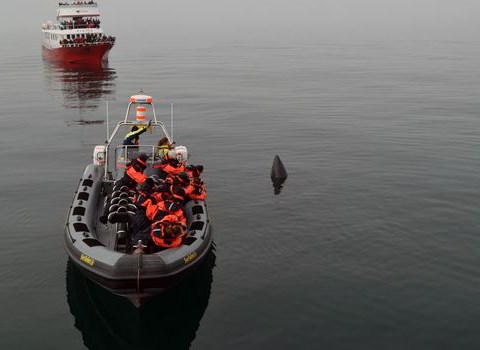
Whale watching tours operate from Reykjavík, Húsavík and Akureyri, with strong chances of spotting minke whales, humpbacks and dolphins. The shoulder-season atmosphere often makes for a more relaxed experience.
Hiking
Lower-elevation hiking trails become increasingly accessible in May, particularly along the South Coast, Snæfellsnes Peninsula and around Lake Mývatn. While Highland routes remain closed until summer, there are still plenty of rewarding walks offering waterfalls, coastal views and volcanic landscapes.
Horse Riding
Exploring the countryside on an Icelandic horse is a memorable experience at any time of year, but spring offers especially beautiful scenery as the landscape turns green. Riding tours are available across the country and cater to both beginners and experienced riders.
Fishing
As rivers and lakes reopen, May marks the start of fishing season in many regions. Conditions are quieter than peak summer months.
Exploring Waterfalls at Full Power
Snowmelt makes waterfalls particularly dramatic in May. Gullfoss, Skógafoss, Seljalandsfoss and Dettifoss are especially powerful at this time of year.
Soak in Geothermal Pools
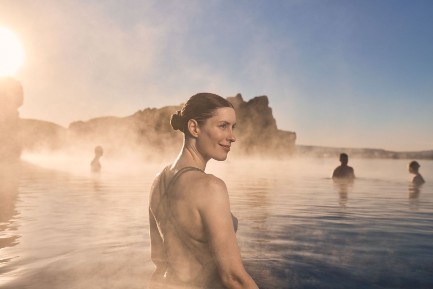
Whether you choose a well-known lagoon or a more secluded hot spring reached by a short hike, May is a fantastic time to enjoy Iceland’s geothermal bathing culture without peak-season crowds.
Driving in Iceland in May
Should I drive in Iceland in May?
Yes, it is safe to drive in Iceland in May, and for many travellers, it’s one of the best months to do so.
By this time of year, winter’s icy conditions have largely retreated from main roads, daylight is abundant, and driving conditions are generally straightforward across most of the country. While Icelandic weather always deserves respect, May offers a comfortable balance between accessibility and adventure.
A self-driving trip gives you complete freedom and flexibility. Public transport is limited outside Reykjavík, and guided tours follow fixed schedules. With your own vehicle, you can set off when it suits you, stop whenever a waterfall or scenic viewpoint catches your eye, and adjust your itinerary depending on the weather.
You can explore at a relaxed pace, take spontaneous detours, and enjoy Iceland’s spring landscapes without feeling rushed. Do keep in mind that Highland routes remain closed until summer, but Iceland’s most popular regions are fully accessible.
May also marks the beginning of campervan season in Iceland. Many campsites across the country reopen during the month, making it a great time to start travelling by campervan without the peak summer crowds. With extended daylight and improving road conditions, May offers a comfortable balance of flexibility and accessibility for those wanting to combine transport and accommodation in one convenient option.
Road Conditions in Iceland in May
Road conditions in May are typically very manageable.
- The Ring Road (Route 1) is open and well maintained.
- The Golden Circle and South Coast are easily accessible.
- The Snæfellsnes Peninsula is comfortably reachable.
- The Highland F-roads remain closed until mid-to-late June, depending on snow conditions.
Early in the month, northern areas and the Westfjords may still experience cooler temperatures and occasional lingering snow patches beside the road. However, main routes are usually clear.
Rain showers are possible, and wind can be strong — wind is often the biggest factor drivers notice in Iceland. Visibility is generally good in May, and road surfaces are normally clear of ice, particularly in the South and around Reykjavík.
As always, checking the daily weather forecast and road conditions ensures you can adapt your plans if needed. Flexibility is part of the Iceland experience — and part of what makes a self-drive trip so rewarding.
Do You Need a 4x4 in May?
For most standard itineraries (Reykjavík, Golden Circle, South Coast, Ring Road), a 2WD vehicle is typically sufficient in May.
However, a 4x4 is recommended if you’re planning to travel to the Westfjords, prefer extra ground clearance and stability, or simply want additional reassurance in changeable weather conditions.
Even outside of winter, Iceland’s strong winds and occasional gravel road sections mean that many travellers feel more comfortable in a slightly higher vehicle.

Practical Tips for Driving in Iceland in May
A little preparation goes a long way when planning a spring road trip in Iceland. May offers favourable conditions, but being informed and flexible will help you make the most of your journey.
Choose a vehicle suited to your full itinerary
Before booking, think carefully about where you plan to travel — not just your main stops, but any remote detours you might be tempted to take. If you’re sticking to Reykjavík, the Golden Circle and the South Coast, a standard 2WD is usually sufficient. If you’re heading to the Westfjords or prefer extra comfort in windy conditions, a 4x4 may give you additional confidence. Always match your vehicle to your route, not just your budget.
Opt for comprehensive insurance
Iceland’s environment is unique. Gravel roads, sudden wind gusts that can catch car doors, and occasional sand in southern areas are all part of the landscape. Comprehensive coverage, including gravel and sand protection, provides peace of mind and protects you from unexpected costs. It allows you to focus on enjoying the scenery rather than worrying about minor incidents.
Check road and weather updates daily
Conditions can change quickly, even in May. Before setting out each morning, check www.road.is for real-time road conditions and www.vedur.is for weather forecasts. Pay particular attention to wind speeds if you’re driving in open areas. These quick checks take only a few minutes but can make a big difference to your day.
Stay flexible with your plans
One of the biggest advantages of self-driving is flexibility. If strong winds or rain are forecast in one region, consider adjusting your route or swapping activities. With long daylight hours in May, you’ll usually have plenty of time to rearrange your schedule comfortably.
Respect speed limits and local driving laws
Speed limits are strictly enforced in Iceland, and off-road driving is illegal due to environmental protection laws. Sheep may wander onto rural roads, and single-lane bridges require patience and courtesy. Drive calmly, keep headlights on at all times (as required by law), and allow extra stopping distance on gravel surfaces.
With the right vehicle, proper preparation and a flexible mindset, driving in Iceland in May is not only safe — it’s one of the most enjoyable and freeing ways to experience the country.

Is it Worth Visiting Iceland in May?
Absolutely. May strikes a rare balance: long daylight, manageable visitor numbers, improving road conditions, powerful waterfalls, and returning wildlife.
It’s one of the most underrated months for a self-drive adventure, offering freedom, flexibility, and space to explore at your own pace.
Choose the vehicle that fits your journey, make sure you’re properly protected, and enjoy Iceland as it transitions into summer.
FAQs About Iceland in May
What Is the Weather Like in Iceland in May?
Weather in Iceland in May is cool but improving as summer approaches. Average temperatures range from around 2°C (36°F) in early May to 11°C (52°F) by the end of the month.
You can expect a mix of sunshine, occasional rain showers, and some wind. Snow is rare in southern regions by mid-May, and main roads are usually clear.
How Many Hours of Daylight Are There in May?
May offers long daylight hours, especially toward the end of the month.
At the beginning of May, there are around 16–17 hours of daylight. By late May, daylight stretches to nearly 20 hours, with the sun rising around 3:30 am and setting close to 11:30 pm.
Can You See the Northern Lights in May?
No, you cannot see the Northern Lights in May. Nights are simply too bright at this time of year.
If seeing the aurora is a priority, visit between September and March. In May, the benefit is extended daylight and near-Midnight Sun conditions, ideal for photography and relaxed road trips.
Is It Safe to Drive in Iceland in May?
Yes, it is safe to drive in Iceland in May. Winter ice has largely cleared from main roads, and long daylight hours improve visibility.
Weather can still change quickly, so checking road and forecast updates daily ensures a smooth and flexible journey.
Can You Drive the Ring Road in May?
Yes, you can drive the Ring Road in May. It is open year-round and is typically in good condition by late spring.
Allow at least one week — ideally longer — to explore comfortably without rushing. While major closures are uncommon, weather can occasionally affect certain sections temporarily, so checking daily road updates is recommended.
Do You Need a 4x4 in Iceland in May?
For most standard routes — including the Golden Circle, South Coast and Ring Road — a 2WD vehicle is typically sufficient in May.
A 4x4 is recommended if you plan to visit more remote regions like the Westfjords or prefer additional ground clearance and stability.