
Table of Contents
- Key Takeaways
- Is August a Good Time to Visit Iceland?
- Pros and Cons of Visiting Iceland in August
- Weather and Temperatures in Iceland in August
- Daylight Hours in Iceland in August
- Can You See the Northern Lights in Iceland in August?
- Where to Go in Iceland in August
- What to Do in Iceland in August
- How Many Days Do You Need in Iceland in August?
- Events in Iceland in August
- Renting a Car in Iceland in August
- What to Wear in Iceland in August
- Practical Tips for Driving in Iceland in August
- Is it Worth Visiting Iceland in August?
Key Takeaways
- August is one of the best months to visit Iceland.
- Temperatures typically range from 10°C to 15°C (50°F–59°F), with occasional highs reaching 20°C (68°F).
- Most roads, including many Highland F-roads, are open and accessible.
- Iceland enjoys between 14 and 18 hours of daylight throughout August.
- Northern Lights sightings become possible towards the end of the month.
- Puffin season is still underway, making August a great month for wildlife watching.
- The Ring Road can comfortably be completed in 7–10 days.
- August is peak tourist season, so accommodation and rental cars should be booked well in advance.
Is August a Good Time to Visit Iceland?
Yes. August is widely considered one of the best months to visit Iceland. The country enjoys some of its mildest weather, long daylight hours, open roads, and easy access to remote areas such as the Highlands. Whether you're planning a Ring Road adventure, a hiking trip, or a campervan holiday, August offers excellent conditions for exploring Iceland.
It’s also right between peak Midnight Sun season and peak northern lights season in Iceland, come August, which means you can get a taste of both experiences, if not the full experiences that you would get if you visited Iceland earlier or later in the year.
Of course, since summer, in general, is Iceland’s high tourist season, you will find that you're around larger crowds than you would be if you visited Iceland in the winter, and the travel prices may be a bit higher, due to the increased demand, but if you aren’t bothered by either of those facts, you’ll find loads to love in Iceland in August.

Pros and Cons of Visiting Iceland in August
Before booking your trip, it's worth considering both the advantages and disadvantages of visiting Iceland in August.
| Pros | Cons |
| Warmest weather of the year, making outdoor activities more comfortable | Temperatures are still relatively cool (10–15°C) and conditions can be windy or rainy |
| Long daylight hours for sightseeing | Days gradually become shorter throughout the month |
| First chance of the season to see the Northern Lights | Only from the second part of the month |
| Access to the Highlands and other remote regions | Some Highland roads (F-roads) require a 4x4 and careful driving |
| Excellent road conditions for self-drive trips | Popular routes and attractions can be busier than at other times of the year |
| High season for hiking, camping, puffin watching and whale watching | Accommodation, flights and rental cars are typically more expensive and should be booked well in advance |
| Numerous festivals and cultural events | It can become crowded at certain locations during those events |
For many travellers, the benefits far outweigh the drawbacks, making August one of the best months to experience Iceland's natural beauty.
Weather and Temperatures in Iceland in August
August is generally regarded as Iceland's warmest month, although "warm" means something different in Iceland than it does in southern Europe.
Average temperatures typically range between 10°C and 15°C (50°F–59°F), while exceptionally warm days can reach 20°C (68°F).
In Reykjavík, daytime temperatures often hover around 13–15°C, while temperatures in North Iceland and inland regions may vary depending on weather systems and altitude.
Although snowfall is extremely unlikely outside the Highlands, travellers should still be prepared for rapidly changing weather conditions.
A typical August day in Iceland may include:
- Bright sunshine
- Cloud cover
- Strong winds
- Light rain showers
- Clear skies
Sometimes all within a few hours.
This unpredictability is one of the reasons why locals often say you can experience all four seasons in a single day.
Rain is not uncommon during August, particularly in South Iceland and coastal regions. However, rainfall is usually light and rarely severe enough to disrupt travel plans.
Because weather conditions can change quickly, layered clothing remains essential, even during summer.
Daylight Hours in Iceland in August
One of the biggest advantages of visiting Iceland in August is the abundance of daylight available for sightseeing.
Although the Midnight Sun season officially peaks in June, August still offers exceptionally long days compared to most destinations.
| Date | Sunrise | Sunset | Daylight Hours |
| Beginning of August | 4:30 am | 10:30 pm | 18 hours |
| End of August | 6:00 am | 9:00 pm | 14 hours |
The long days allow travellers to fit more activities into each day and make road trips much more flexible. You can start early, stop frequently for photos, and continue exploring well into the evening.
Photographers particularly appreciate August's extended golden hours, when soft sunlight illuminates waterfalls, mountains, and black sand beaches for much longer than in many other countries.
Another benefit of the gradually shortening days is the return of darkness. While June and July are too bright for Aurora viewing, the darker nights arriving later in August begin to create opportunities for Northern Lights sightings.
Can You See the Northern Lights in Iceland in August?
One of the most common questions travellers ask is whether it's possible to see the Northern Lights in Iceland during August.
The answer is yes, but with some limitations.
The Northern Lights are visible whenever three conditions are met:
- Solar activity is strong enough.
- The sky is clear.
- It is dark enough.
The challenge during summer is the lack of darkness.
At the beginning of August, Iceland still experiences very bright nights, making Aurora sightings extremely unlikely. However, as the month progresses and daylight hours decrease, darkness gradually returns.
By the second half of August, particularly after mid-month, Northern Lights sightings become possible once again.
Your best chances occur:
- In the final two weeks of August
- Away from city lights
- Under clear skies
- During periods of increased solar activity
While August should not be considered a dedicated Northern Lights season, some lucky visitors do manage to see the Aurora before the month ends.
If seeing the Northern Lights is one of your primary travel goals, September through March generally offers much higher success rates.
However, August provides something unique: the possibility of combining summer activities, open Highland roads, and the first Aurora opportunities of the season in a single trip.

Where to Go in Iceland in August
Thanks to favourable weather and open roads, August is one of the best months to explore every corner of Iceland. From famous attractions along the Ring Road to the remote Highlands and Westfjords, nearly the entire country is accessible.
The Ring Road
The Ring Road encircles the entire island, allowing you to see most of Iceland’s varying regions and topography with one easy-to-follow route. Taking a road trip around the Ring Road is very popular, as there’s so much to do and see along the route, and the route is very safe, especially in the summer, when you don’t need to worry about winter weather.
Highlights along the route include Seljalandsfoss, Skógafoss, Reynisfjara Black Sand Beach, Jökulsárlón Glacier Lagoon, Lake Mývatn, and Akureyri.
The Highlands
The Highlands and destinations like Landmannalaugar, Thorsmork and Kjolur are only accessible during a few limited months per year, when the snow and ice aren’t treacherously blocking the rough, rugged roadways. Home to colourful rhyolite mountains, geothermal valleys, volcanic landscapes, and remote hiking trails, the Highlands showcase some of Iceland's most spectacular scenery.
Just make sure you're prepared for the F-roads, with our guide to driving Iceland’s roughest roads.

The Westfjords
While the Westfjords aren’t always completely cut off in the winter months, they are much more easily traversed during the summer. So, if you want to see some remote, coastal areas, with lots of wildlife watching opportunities and hiking, make tracks for the Westfjords.
Snæfellsnes Peninsula
Often called "Iceland in Miniature", the Snæfellsnes Peninsula offers glaciers, lava fields, waterfalls, black sand beaches, dramatic sea cliffs, and charming fishing villages all within a relatively small area.
Highlights include:
- Kirkjufell Mountain
- Arnarstapi Coastal Cliffs
- Djúpalónssandur Beach
- Snæfellsjökull National Park
For travellers with limited time, Snæfellsnes is one of the best regions to experience a wide variety of Icelandic landscapes in a single day or overnight trip.
What to Do in Iceland in August
So once you’ve made it to Iceland and your car rental is ready, booked and waiting to take you off to see some of Iceland’s best sites, what should you actually do? We have a few suggestions.
Explore Iceland's Waterfalls
Summer is an ideal time to visit Iceland's waterfalls, as glacial meltwater keeps them flowing at full strength.
Don't miss:
- Seljalandsfoss
- Skógafoss
- Gullfoss
- Dynjandi
- Dettifoss
- Háifoss
Many are easily accessible by car and can be incorporated into any self-drive itinerary.
Go Hiking
Iceland is consistently ranked as one of the best destinations in the world for hiking, and August just so happens to be one of the best months to experience hiking in Iceland, thanks to the great weather. All of the best hiking trails are open and you'll be able to easily trek out into the Icelandic countryside, whether you prefer a more leisurely, beginner-friendly hike, or you’d prefer something a little more strenuous and challenging.
Popular hiking destinations include:
- Landmannalaugar
- Thórsmörk
- Reykjadalur Hot Spring Valley
- Glymur Waterfall
- Kerlingarfjöll
For more specific hiking recommendations, check out our guide to the best hikes in Iceland.

Go Whale Watching
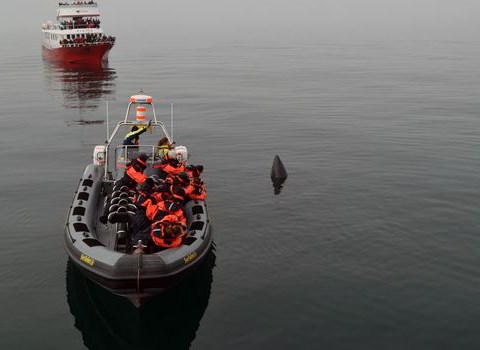
August is one of the best months of the year for whale watching.
Common sightings include:
- Humpback whales
- Minke whales
- White-beaked dolphins
- Harbour porpoises
Húsavík is often referred to as Iceland's whale watching capital, although tours also operate from Reykjavík, Akureyri, and Snæfellsnes.
See Puffins Before They Leave
August is one of the final opportunities to see Iceland's beloved puffins before they head out to sea for winter.
Popular puffin-viewing locations include:
- Dyrhólaey
- Westman Islands
- Borgarfjörður Eystri
- Látrabjarg
Towards the end of the month, some colonies begin to disperse, so earlier August generally offers the best opportunities.

Relax in a Geothermal Pool
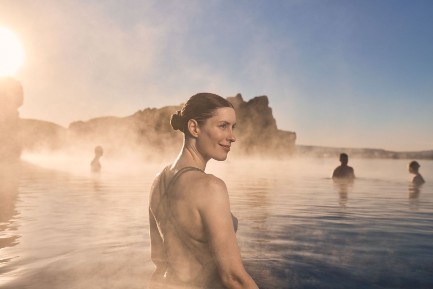
No Iceland itinerary is complete without a visit to a geothermal spa or hot spring.
Some of the country's most popular options include:
- Blue Lagoon
- Sky Lagoon
- Secret Lagoon
- Forest Lagoon
- Hvammsvík Hot Springs
These geothermal waters provide the perfect way to unwind after a day of exploring.
Try Campervan Travel
August is one of the best months for campervan travel in Iceland.
Open campsites, relatively mild temperatures, and long daylight hours make campervans an excellent option for travellers seeking flexibility and freedom.
A campervan also allows you to wake up surrounded by Iceland's incredible landscapes rather than being tied to fixed accommodation bookings.
Join a Glacier Adventure
August offers excellent conditions for glacier-based activities.
Popular experiences include:
- Glacier hiking
- Ice climbing
- Glacier lagoon boat tours
- Snowmobile excursions
Vatnajökull, Europe's largest glacier, is one of the most popular locations for guided glacier adventures.
Go Berry Picking
Whether you enjoy it just during a gentle nature walk, or you try it out while you’re hiking through one of Iceland’s more remote regions, berry picking yields extremely tasty treats during the month of August. Keep your eyes peeled for blueberries, bilberries, wild strawberries, crowberries and bramble berries as you make your way through Iceland’s countryside.

How Many Days Do You Need in Iceland in August?
One of the biggest advantages of visiting Iceland in August is that long daylight hours allow you to cover more ground each day. This makes it easier to see more of the country, even if you're visiting for less than a week.
The ideal length of your trip depends on your interests and how much driving you're comfortable with.
3–4 Days in Iceland
A short trip is perfect for first-time visitors who want to see Iceland's most famous attractions.
With 3–4 days, you can comfortably visit:
- Reykjavík
- The Golden Circle
- South Coast waterfalls
- Reynisfjara Black Sand Beach
- Vík
- Sky Lagoon or Blue Lagoon
This itinerary gives you a great introduction to Iceland without spending too much time behind the wheel.
5–7 Days in Iceland
A week allows you to explore a larger portion of the country while maintaining a relaxed pace.
Popular 5–7 day itineraries often include:
- Golden Circle
- South Coast
- Jökulsárlón Glacier Lagoon
- Diamond Beach
- Snæfellsnes Peninsula
- Reykjavík
This is an excellent option for travellers who want to experience Iceland's most iconic landscapes without committing to a full Ring Road journey.
8–10 Days in Iceland
For many visitors, this is the ideal trip length.
An 8–10 day itinerary allows you to complete Iceland's famous Ring Road while enjoying enough time to stop and explore along the way.
Highlights may include:
- Golden Circle
- South Coast
- Jökulsárlón Glacier Lagoon
- Eastfjords
- Lake Mývatn
- Dettifoss Waterfall
- Akureyri
- North Iceland
- Snæfellsnes Peninsula
10–14 Days in Iceland
If you have two weeks available, you'll be able to experience Iceland at a much slower pace while adding some of the country's more remote destinations.
This itinerary often includes:
- Ring Road
- Westfjords
- Highlands
- Additional hiking days
- Hidden hot springs
- Remote coastal villages
For travellers wanting to see as much of Iceland as possible, 10–14 days is hard to beat.
Events in Iceland in August
August is one of the liveliest months of the year in Iceland. Alongside incredible natural attractions, visitors can experience some of the country's biggest festivals and cultural celebrations.
Verslunarmannahelgi (Merchant's Weekend)
Held on the first weekend of August, Verslunarmannahelgi is a national holiday and one of the busiest travel weekends in Iceland.
Locals take advantage of the long weekend to go camping, attend festivals, and spend time outdoors before summer comes to an end.
Expect increased traffic, busy campsites, and larger crowds throughout the country.
Þjóðhátíð Festival
Taking place in the Westman Islands during Merchant's Weekend, Þjóðhátíð is Iceland's largest outdoor music festival.
Thousands of people gather for live music, fireworks, bonfires, and celebrations that continue throughout the weekend.
If you plan to attend, be sure to book accommodation and transport well in advance.
Reykjavík Pride
Reykjavík Pride has become one of Iceland's largest annual events and one of the most popular Pride celebrations in Europe.
The festival includes:
- Parades
- Concerts
- Cultural events
- Family-friendly activities
- Community gatherings
The atmosphere throughout the city is welcoming, colourful, and festive.
Menningarnótt (Culture Night)
Held annually in Reykjavík, Culture Night celebrates Icelandic art, music, and culture.
The city comes alive with:
- Free concerts
- Street performances
- Art exhibitions
- Food vendors
- Fireworks displays
It is one of the most anticipated events on Iceland's cultural calendar.
Fireworks at Jökulsárlón (August 17)
This unique, once-a-year fireworks show takes place in southern Iceland, with fireworks shot off over the glacier lagoon. You do have to pay a small fee in order to attend this event, but it’s well worth it and one of the best summertime events to attend in Iceland.

Renting a Car in Iceland in August
A rental car is one of the best ways to experience Iceland in August.
The combination of open roads, long daylight hours, and favourable weather makes self-driving both easy and enjoyable.
Unlike guided tours, a rental car allows you to travel at your own pace, stop whenever you like, and discover attractions that many visitors miss.
For most travellers, renting a car provides the freedom and flexibility needed to experience Iceland properly.

Should I rent a car in Iceland in August?
Yes! You enjoy increased independence and freedom because you can go wherever you want, whenever you want, in a way that you just can’t if you're travelling with a tour or relying on Iceland’s very minimal public transit. You can be more flexible with your itinerary and stop off and see the sites you want to see. You can take time to take in the scenery and go with the flow.
Plus, as you're rolling along in your rental car, you’ll be able to also soak in all of the gorgeous summer Iceland landscapes.
The only downside and thing you’ll want to consider? Since August is high tourist season in Iceland, rental car companies are often fully booked throughout the month, with all of their cars rented out. So, if you do want to drive around Iceland on your own during your upcoming August visit, you’ll want to book your rental car as soon as possible.
What Type of Rental Car Do You Need in Iceland in August?
| Travel Style | Recommended Vehicle |
| Reykjavík city break | Economy 2WD |
| Golden Circle & South Coast | Economy 2WD or Compact SUV |
| Ring Road | 2WD or SUV (for added comfort) |
| Highlands & F-roads | 4x4 required |
| Camping holiday | Campervan |
For most travellers, a 2WD vehicle is perfectly suitable for visiting Iceland's most popular attractions, including the Golden Circle, South Coast, Snæfellsnes Peninsula, and Ring Road. If your itinerary includes the Highlands or F-roads, you'll need a 4x4 vehicle, as these roads are often rough, unpaved, and may involve river crossings.

What are the road conditions like in Iceland in August?
Driving in Iceland in summer means great road conditions that are easy even for drivers who’ve never driven in a foreign locale before. Plus, also thanks to the great weather, all the roadways throughout Iceland are open.
You’ll find that, on the main roadways and those that are highly trafficked, the roads are in great condition, clear and safe.
For more rural roads and F-roads throughout the Highlands, the roads are a little more rugged and challenging. However, with a 4x4 vehicle, you’ll be able to easily get around. Just make sure you read up on what you need to know about driving on F-roads before you arrive and don’t neglect renting a 4x4 SUV or other car. A 4x4 vehicle is required for driving on any F-roads, by Icelandic law.
What kind of car rental insurance should I get in Iceland in August?
When you book your car rental in Iceland, you’ll also want to buy some car rental insurance. While, if you book a car with Lava Car Rental, your vehicle will come with some basic insurance bundled into the price of your rental, you can further upgrade your car rental insurance package to keep you better protected.
We always recommend that our clients purchase full rental car protection, so that they're not left covering vehicle damage that can occur during a road trip (as fixing these damages can become quite pricey).
Lava Car Rental’s full protection package includes a super collision damage waiver, theft protection, gravel protection, sand and ash protection and tyre protection.
What to Wear in Iceland in August
As you pack your bags, think about the weather and the activities you plan on enjoying. Unlike how you might for other summertime trips, for a summer trip to Iceland, you will still have to pack some jackets and other cold-weather gear, just to ensure you’re prepared for some of those chillier evenings.
We recommend that you pack…
- A waterproof and windproof jacket
- Sturdy hiking boots
- Fleece and other layers
- Plenty of socks
- Scarves, hats and gloves
- Sunglasses
- Swimsuits
- Sunscreen
- Cap
- An eye mask for better sleep during some of the brighter days of the month
Practical Tips for Driving in Iceland in August
Before setting off on your Iceland road trip, keep these practical tips in mind:
- Book your rental car early.
- Reserve accommodation in advance.
- Choose the right vehicle for your itinerary.
- Check weather and road conditions daily.
- Never drive off-road.
- Respect speed limits.
- Watch for sheep near roads.
- Keep fuel levels topped up in rural areas.
- Allow extra time for unexpected stops and photo opportunities.
- Be flexible and adjust plans if weather conditions change.
One of the best parts of driving in Iceland is the freedom to discover places you didn't originally plan to visit.
Is it Worth Visiting Iceland in August?
Yes. August is one of the very best months to visit Iceland.
With long daylight hours, comfortable temperatures, open roads, accessible Highlands, incredible wildlife, and countless opportunities for adventure, it's easy to see why so many travellers choose to visit during this time of year.
Whether you're planning to drive the Ring Road, explore colourful Highland landscapes, relax in geothermal lagoons, or search for puffins along dramatic sea cliffs, August offers an ideal balance of accessibility and adventure.
The key to a successful trip is planning ahead. Accommodation, activities, and rental cars can book out quickly during peak season, so securing your plans early will help you make the most of your visit.
For travellers seeking the freedom to explore Iceland at their own pace, renting a car remains one of the best ways to experience everything the country has to offer. With the right vehicle, a flexible itinerary, and a sense of adventure, an August road trip through Iceland is an experience you'll never forget.
Frequently Asked Questions About Iceland in August
Is August a good time to visit Iceland?
Yes. August offers mild weather, long daylight hours, open roads, and access to many of Iceland's most spectacular natural attractions.
Can you see the Northern Lights in Iceland in August?
Yes, particularly during the second half of the month when nights become darker. However, sightings are less common than during autumn and winter.
What is the weather like in Iceland in August?
August brings some of the mildest weather of the year to Iceland. Average temperatures typically range between 10°C and 15°C (50°F–59°F), with occasional highs of around 20°C (68°F).
Despite the relatively warm temperatures, Iceland's weather can be highly changeable. Rain showers, strong winds, sunshine, and cloudy skies can all occur on the same day, so dressing in layers is strongly recommended.
How much daylight does Iceland get in August?
Iceland still enjoys long daylight hours in August, giving visitors plenty of time for road trips, hiking, and sightseeing. At the beginning of the month, there are around 18 hours of daylight, with sunrise around 4:30 am and sunset around 10:30 pm.
By the end of August, daylight decreases to approximately 14 hours, with sunrise around 6:00 am and sunset around 9:00 pm. Even then, the days remain long enough to explore comfortably and make the most of your itinerary.
Do you need a 4x4 in Iceland in August?
Not necessarily. A 2WD vehicle is sufficient for the Ring Road, Golden Circle, and South Coast. A 4x4 is only required if you plan to drive on F-roads or visit the Highlands.
Is August crowded in Iceland?
August is one of Iceland's busiest travel months, particularly during the first half of the month when many families are on summer holidays and events such as Verslunarmannahelgi attract large crowds. Popular attractions, accommodations, and rental cars can book up quickly during this period.
The second half of August is generally a little quieter, as the summer season begins to wind down and visitor numbers gradually decrease. However, Iceland remains a popular destination throughout the month, so it's still advisable to book accommodation, activities, and rental cars in advance.
Is August a good month for driving in Iceland?
Yes. August offers some of the best driving conditions of the year, with open roads, long daylight hours, and relatively mild weather. Most of Iceland's main routes are easily accessible, while many Highland roads are also open during the month.