
Table of Contents
- Key Takeaways
- What to See in North Iceland
- Driving the Diamond Circle
- When Is the Best Time to Visit North Iceland?
- North Iceland in Summer
- North Iceland in Autumn
- North Iceland in Winter
- North Iceland in Spring
- How Many Days Do You Need in North Iceland?
- How to Get Around North Iceland
- Paved Roads, Gravel Roads and F-Roads
- Do You Need a 4x4 in North Iceland?
- Choosing the Right Rental Car for North Iceland
- Exploring North Iceland by Campervan
- Practical Driving Tips for North Iceland
- Is North Iceland Worth Visiting?
- Explore North Iceland with the Right Rental Car
Key Takeaways
- Don't miss Akureyri, Goðafoss, Lake Mývatn, Dettifoss, Ásbyrgi and Húsavík, with Tröllaskagi and Siglufjörður worth adding if you have more time.
- Allow at least 3–4 days to explore the main highlights of North Iceland comfortably, including the Diamond Circle.
- Summer is the easiest season for a road trip, with long daylight hours, greener landscapes and generally better road conditions.
- Autumn and winter offer Northern Lights and dramatic scenery, but snow, ice and changing weather require more flexibility.
- A 2WD is suitable for many summer itineraries if you stay on the Ring Road and other main roads, while a 4x4 is a better choice for winter conditions and is required for F-roads.
- Check the weather and road conditions every day, particularly outside the summer months.
What to See in North Iceland
North Iceland brings together waterfalls, volcanic landscapes, geothermal areas, coastal towns, wildlife and scenic driving routes. Many of the best-known sights are connected by the Diamond Circle, but there is plenty to explore beyond that route too.
Akureyri
Akureyri is the main town in North Iceland and a convenient base for exploring the region.
Located at the end of Eyjafjörður, it is surrounded by mountains and has plenty of cafés, restaurants, shops, museums and swimming pools. The town is also well positioned for day trips towards Goðafoss, Lake Mývatn, Húsavík and the Tröllaskagi Peninsula.
If you are travelling around North Iceland for several days, Akureyri is also a useful place to refuel, stock up on groceries and take a break between longer driving days.

Goðafoss
Goðafoss is one of the most recognisable waterfalls in North Iceland.
Located close to Route 1 between Akureyri and Lake Mývatn, it fits easily into most North Iceland itineraries. Its wide curved falls are impressive in every season, whether surrounded by green landscapes in summer or snow and ice in winter.

Lake Mývatn
The Lake Mývatn area is one of the most fascinating parts of North Iceland and deserves more than a quick stop.
The surrounding landscape has been shaped by volcanic activity, leaving behind craters, lava fields, geothermal areas and unusual rock formations.
There is plenty to see within a relatively short driving distance, so it is worth allowing at least a full day to explore the area.

Dimmuborgir
Dimmuborgir is a large lava field filled with unusual pillars, caves and natural arches.
Several walking routes wind through the formations, making it easy to choose anything from a short walk to a longer exploration.
The area also has a strong connection to Icelandic folklore and is traditionally associated with the Icelandic Yule Lads.

Hverir
A short drive east of Lake Mývatn brings you to Hverir, one of the most striking geothermal areas in the north.
Steam rises directly from the earth, bubbling mud pools sit beside brightly coloured mineral deposits and the surrounding landscape can feel almost otherworldly.
It is a relatively compact stop, but one that shows just how geologically active this part of Iceland is.

Dettifoss
Dettifoss is one of the most dramatic waterfalls in Iceland.
The huge volume of water crashing through the canyon creates a completely different experience from many of the country’s more delicate waterfalls.
Access can vary depending on the road and the time of year, so it is particularly important to check current road conditions before driving there outside the main summer season.

Ásbyrgi Canyon
Ásbyrgi offers a dramatic change of scenery.
The horseshoe-shaped canyon is surrounded by high cliffs, while the canyon floor is surprisingly sheltered and green.
Walking trails of different lengths allow you to explore the area, and it makes a natural stop when travelling between Dettifoss and Húsavík.

Húsavík
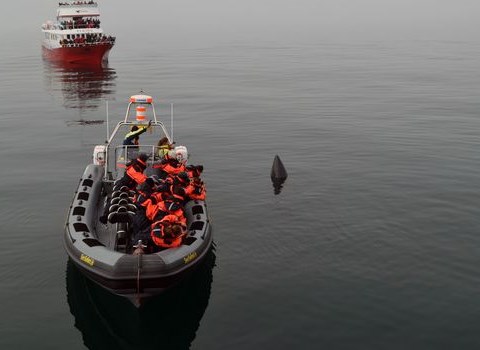
Húsavík is one of Iceland’s best-known whale-watching towns.
The small harbour town overlooks Skjálfandi Bay and is a popular starting point for whale-watching excursions.
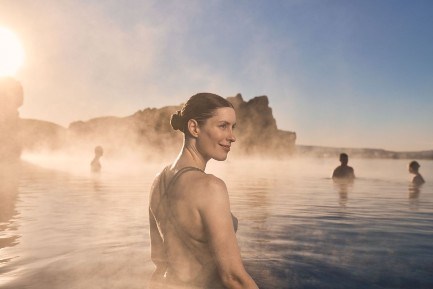
You can also explore the town itself, visit the whale museum or relax in geothermal water overlooking the sea at GeoSea.

Tröllaskagi Peninsula
The Tröllaskagi Peninsula, west of Akureyri, offers some of the most impressive mountain scenery in North Iceland.
The road passes through narrow valleys, coastal landscapes and small fishing communities. It is an excellent addition for travellers who have a little more time and want to explore beyond the main Ring Road attractions.
Siglufjörður
Surrounded by steep mountains at the northern end of Tröllaskagi, Siglufjörður is one of the prettiest towns in the region.
Once closely associated with Iceland’s herring industry, it is now known for its colourful harbour, historic atmosphere and dramatic setting.
The journey to Siglufjörður is also part of the experience, with mountain and coastal scenery along the way.
Photo by NorthIceland
Driving the Diamond Circle
The Diamond Circle is one of the easiest ways to connect several of North Iceland’s major attractions.
The route links some of the region’s highlights, including:
- Goðafoss
- Lake Mývatn
- Dettifoss
- Ásbyrgi
- Húsavík
Along the way, you can easily add other stops such as Dimmuborgir, Hverir, Hverfjall and the Krafla area.
Although the route is around 250 kilometres long, it is better not to think of it as something to complete as quickly as possible.
Two days gives you much more time to stop, walk and enjoy the different locations without spending the entire day in the car.
When Is the Best Time to Visit North Iceland?
North Iceland can be visited throughout the year, but the experience changes considerably from one season to another.
Summer offers the easiest conditions for road trips and the longest days. Autumn combines changing landscapes with darker evenings. Winter brings snow and Northern Lights, while spring offers rapidly increasing daylight but often retains some winter conditions.
The best time therefore depends less on finding one “perfect” month and more on deciding what kind of trip you want.
North Iceland in Summer
June, July and August are the easiest months for exploring North Iceland by car.
Average temperatures are typically around 9–11°C / 48–52°F, although pleasant daytime temperatures can sometimes reach roughly 10–18°C / 50–64°F, particularly in sheltered inland areas such as Akureyri.
The landscapes are at their greenest, roads are generally at their most accessible and daylight is one of the biggest advantages. Around midsummer, darkness almost disappears entirely, giving you plenty of flexibility for long sightseeing days and spontaneous stops.
Summer is particularly suited to:
- long road trips
- hiking
- camping
- whale watching
- visiting more remote areas
- exploring with a 2WD vehicle on main roads
- making the most of long sightseeing days
Even in July, however, you should not expect consistently warm weather. Wind, rain and cooler days are always possible, so layers and waterproof clothing are still essential.
North Iceland in Autumn
September and October bring a noticeable change to the north.
Average temperatures fall from around 6°C / 43°F in September to approximately 3°C / 37°F in October.
The green summer landscape begins to shift towards autumn colours, visitor numbers fall and darker nights make it possible to see the Northern Lights again.
September can still offer relatively mild conditions, but the weather becomes increasingly unpredictable as autumn progresses. Snow is possible, particularly at higher elevations, so autumn travellers should be prepared for conditions that can change quickly.
This is a particularly appealing season if you want a quieter road trip while still having a reasonable amount of daylight.
North Iceland in Winter
Winter transforms North Iceland.
From November to March, average temperatures are generally around -2°C to -1°C / 28–30°F, but colder spells can bring temperatures well below freezing.
Mountains and valleys can be covered in snow, waterfalls freeze around the edges and the landscape takes on a completely different atmosphere. The long nights also create good opportunities for Northern Lights viewing when the sky is clear.
The biggest consideration is not simply the temperature, but the combination of snow, ice, wind and visibility.
A temperature of -2°C / 28°F may not sound extreme, but strong winds and icy roads can make driving much more challenging.
Temporary road closures are also possible during storms or heavy snowfall, so winter itineraries should always include some flexibility.

North Iceland in Spring
April and May are transition months in North Iceland.
Average temperatures rise from around 2°C / 36°F in April to approximately 6°C / 43°F in May.
Daylight increases quickly, lower areas gradually lose their snow cover and the landscape begins to turn greener again.
However, spring does not necessarily mean winter conditions are over.
Snow and frost remain possible, especially in April and at higher elevations. A sunny May afternoon can feel pleasantly mild, while another day may still bring near-freezing temperatures or snowfall.
Spring can be a particularly good time to visit if you want longer days and fewer travellers, as long as you are prepared for changing conditions.
How Many Days Do You Need in North Iceland?
How long you need depends on how much of the region you want to explore.
2 days in North Iceland
With two days, focus on the main highlights.
For example:
Day 1: Akureyri → Goðafoss → Lake Mývatn
Day 2: Lake Mývatn → Dettifoss → Húsavík → Akureyri
This works, but it is a fairly busy itinerary.
3 to 4 days in North Iceland
Three or four days gives you a much more comfortable pace.
You can add:
- Dimmuborgir
- Hverir
- Ásbyrgi
- whale watching
- geothermal bathing
- more time around Lake Mývatn
- a relaxed stay in Akureyri or Húsavík
For most travellers, this is a good amount of time for exploring the Diamond Circle.
5 to 7 days in North Iceland
With five days or more, you can start moving beyond the main attractions.
Consider adding:
- Tröllaskagi
- Siglufjörður
- Dalvík
- smaller coastal villages
- hiking
- the Arctic Coast Way
- extra time for spontaneous stops
If you are travelling around the entire Ring Road, North Iceland will usually form one section of a longer Iceland itinerary.
How to Get Around North Iceland
North Iceland is particularly well suited to self-driving. Towns and attractions are spread across a large area, so having a rental car gives you much more freedom than relying entirely on public transport.
Route 1 passes through the region and connects Akureyri with several of the main areas around Lake Mývatn. Once you leave the Ring Road, however, the type and quality of the road can vary.
Understanding the difference between paved roads, gravel roads and F-roads is therefore important.

Paved Roads, Gravel Roads and F-Roads
Paved roads
Route 1 and many of the main roads around North Iceland are paved. When weather and road conditions are good, these roads can normally be driven with a regular 2WD vehicle.
Gravel roads
Gravel roads are common in Iceland and do not automatically require a 4x4. You should, however, reduce your speed and allow more distance from other vehicles.
Loose stones can reduce traction and can also be thrown up by passing vehicles.
F-Roads
F-roads are mountain roads leading into Iceland’s Highlands. These roads require a 4x4 rental vehicle. Conditions can vary greatly, and the roads generally open only once snow and ground conditions make them passable.
If an F-road forms part of your itinerary, check its current status before setting out.
Do You Need a 4x4 in North Iceland?
Not every North Iceland road trip requires a 4x4. Your decision should mainly be based on the season, the roads you intend to drive and the type of trip you are planning.
In summer
If you are travelling during summer and staying mainly on Route 1 and other paved roads, a 2WD can be perfectly suitable.
In spring and autumn
A 2WD may still work for many itineraries, but conditions are less predictable. A 4x4 can provide additional comfort and traction when snow or ice is possible.
In winter
For winter travel in North Iceland, a 4x4 is generally a more suitable choice.
It can provide better traction and stability in difficult conditions, although it is important to remember that four-wheel drive does not make a vehicle immune to snow, ice, wind or storms.
If a road is closed or travel is not recommended, having a 4x4 does not make it safe to continue.
On F-roads
If you plan to drive on F-roads, a 4x4 is required.

Choosing the Right Rental Car for North Iceland
Your itinerary is not the only thing to think about when choosing a rental car.
Passenger numbers, luggage, season and the amount of driving you expect to do should all influence your choice.
Travelling as a couple
For two people travelling light in summer, a compact 2WD can be a practical and economical choice if your route stays on main roads.
Travelling with three to five people
For larger groups, consider an SUV or another vehicle with more luggage space. Remember that passenger capacity and luggage capacity are not the same thing.
A vehicle may technically seat five or seven passengers without necessarily having enough boot space for everyone’s suitcases.
Planning a long road trip
If you are travelling around the entire Ring Road or spending several days driving through North Iceland, comfort becomes increasingly important.
Choosing a slightly larger vehicle can make long driving days more pleasant.
Exploring North Iceland by Campervan
North Iceland can be a fantastic place to explore by campervan, particularly during the summer months.
Travelling with your accommodation gives you more flexibility and makes it easy to combine scenic driving with stays near places such as Akureyri, Mývatn and Húsavík.
However, campervan travel in Iceland comes with specific rules.
You cannot simply park anywhere and sleep overnight. Campervans should use designated campsites unless you have explicit permission to stay elsewhere where this is legally permitted.
Campsite availability is also seasonal. Many sites operate mainly during the warmer months, so if you are travelling in spring, autumn or winter, check where you can stay before setting out each day.

Practical Driving Tips for North Iceland
Check road conditions every day
Road conditions can change quickly.
Make checking the official Icelandic road information part of your morning routine, particularly during winter and the shoulder seasons.
Check the weather as well
A road being open does not necessarily mean conditions will be comfortable throughout the journey.
Wind, snow and poor visibility can all affect your trip. Check www.vedur.is every day.
Give yourself extra time
Driving times shown by navigation apps do not include scenic stops, changing weather or slower road conditions.
Build extra time into your itinerary rather than planning every day down to the minute.
Plan your fuel or charging stops
Fuel stations and EV chargers are available around the main towns, but distances between services can become longer in rural areas.
Avoid waiting until your fuel tank or battery is nearly empty before thinking about the next stop.
Respect road closures
Never drive onto a road that has been closed.
Road closures are introduced for safety, and they apply regardless of the type of car you are driving.
Stay flexible
Being willing to change your plans is one of the best ways to travel safely in Iceland.
If the weather deteriorates, change your route, stay closer to your accommodation or postpone part of your itinerary.
There will always be something else to explore nearby.
Is North Iceland Worth Visiting?
Absolutely.
North Iceland combines many of the things people travel to Iceland to experience: waterfalls, volcanic landscapes, geothermal activity, wildlife, mountains and small coastal communities.
But compared with some of the busiest areas in the south, the north often feels more spacious and slower paced.
It is also a destination that offers something very different depending on when you visit.
Summer brings almost endless daylight and easier road trips. Autumn adds changing colours and the return of the Northern Lights. Winter creates snow-covered landscapes and long nights, while spring gradually brings back longer days and easier conditions.
There is no single best version of North Iceland. The best time to visit depends on the kind of experience you are looking for.
Explore North Iceland with the Right Rental Car
Whether you are planning a summer road trip around the Diamond Circle, a winter trip beneath the Northern Lights or a longer journey around Iceland’s Ring Road, having the right car makes exploring North Iceland easier and more comfortable.
At Lava Car Rental, you can choose from economy 2WD cars, 4x4 vehicles and campervans depending on your itinerary, the season and how many people are travelling with you.
You do not necessarily need the biggest vehicle. Think about where you want to go, the roads you plan to drive and the conditions you are likely to encounter.
Then you can focus on the best part: getting out on the road and discovering North Iceland for yourself.
North Iceland FAQ
What is the best time to visit North Iceland?
June to August offers the easiest driving conditions and longest days. Autumn is quieter, winter is ideal for snowy landscapes and Northern Lights, while spring brings longer daylight but can still have wintry conditions.
How many days do you need in North Iceland?
Three to four days is a good amount of time for the main highlights, including the Diamond Circle. Five to seven days gives you more time for places such as Tröllaskagi, Siglufjörður and smaller coastal towns.
Do you need a 4x4 in North Iceland?
Not always. A 2WD is suitable for many summer trips on Route 1 and other paved roads. A 4x4 is more suitable for winter conditions and is required for F-roads.
Can you visit North Iceland in winter?
Yes, but winter travel requires more flexibility. Snow, ice, strong winds and temporary road closures are possible, so it is important to check weather and road conditions every day.
What are the must-see places in North Iceland?
Top highlights include Akureyri, Goðafoss, Lake Mývatn, Dimmuborgir, Hverir, Dettifoss, Ásbyrgi and Húsavík. Tröllaskagi and Siglufjörður are also worth adding if you have more time.
Can you drive from Reykjavík to Akureyri in one day?
Yes. The journey is possible in one day via Route 1, although weather and road conditions can affect travel time, especially in winter.