
Table of Contents
- Iceland in December: Key Takeaways
- Is December a Good Time to Visit Iceland?
- Iceland Weather in December
- Daylight Hours in Iceland in December
- Can You See the Northern Lights in Iceland in December?
- Should I Rent a Car in Iceland in December?
- Driving in Iceland in December
- What Are the Road Conditions Like in Iceland in December?
- Tyres and Studded Winter Tyres in Iceland
- Do You Need a 4x4 in Iceland in December?
- Can You Drive the Ring Road in Iceland in December?
- Best Places to Visit in Iceland in December
- Best Things to Do in Iceland in December
- Events in Iceland in December
- What to Wear in Iceland in December
- Essential Tips for Driving in Iceland in December
- Is Iceland Worth Visiting in December?
Iceland in December: Key Takeaways
- Weather: Expect winter temperatures generally around -2°C to 4°C (28°F to 39°F) in coastal areas, with colder conditions inland and in the north. Snow, rain, ice and strong winds are all possible.
- Daylight: Reykjavík has approximately 4–5 hours of daylight, with the shortest days around the winter solstice on 21 December.
- Northern Lights: December is an excellent month for aurora hunting thanks to the long, dark nights, although sightings depend on clear skies and solar activity.
- Road conditions: Snow, ice and temporary road closures are possible throughout Iceland. The main roads are maintained, but conditions can change quickly.
- Rental car: A 4x4 SUV is recommended for greater traction and ground clearance, especially when travelling outside Reykjavík. All Lava Car Rental vehicles come with studded winter tyres during the winter season.
- Best places to visit: Reykjavík, the Golden Circle, the South Coast and the Reykjanes Peninsula are popular options for a December road trip, weather permitting.
- Best experiences: Northern Lights, ice caves, geothermal pools, snowy waterfalls, Christmas markets and New Year's Eve fireworks.
- Travel tip: Keep your itinerary flexible, allow extra driving time and check weather forecasts and road conditions daily.
Is December a Good Time to Visit Iceland?
Yes! December is a wonderful time to visit Iceland, especially if you love winter landscapes, Northern Lights and festive celebrations.
December brings a different rhythm to Iceland, with winter adventures during the day and festive celebrations and cosy evenings after dark. Reykjavík and other towns are decorated with Christmas lights, local markets offer seasonal treats, and Icelanders celebrate unique traditions that make the holiday season particularly special.
There are several reasons to visit Iceland in December:
- Northern Lights: Long nights provide plenty of opportunities to see the aurora when conditions are favourable.
- Beautiful winter scenery: Snow, ice and low winter light create unforgettable landscapes.
- Unique winter activities: Explore natural ice caves with a guide, go glacier hiking or relax in steaming geothermal waters.
- Christmas atmosphere: Discover Icelandic traditions, festive decorations and seasonal food.
- Enjoy a Quieter Side of Iceland: Early December can be a wonderful time to explore Iceland without the crowds of the summer high season. Popular attractions such as the Golden Circle and South Coast waterfalls may be less busy, giving you more space to enjoy the scenery and take photographs. Keep in mind that visitor numbers can increase around Christmas and New Year.
- Find Better Travel Deals: December can also be an attractive month for budget-conscious travellers. During the first part of the month, you may find more competitive prices on flights, accommodation and rental cars compared with peak travel periods. However, prices often rise as Christmas and New Year approach, so booking early is recommended.
Of course, December has its challenges. Daylight is limited, and the weather can affect driving conditions and outdoor activities. However, with realistic expectations and flexible plans, you can have a fantastic winter holiday.

Iceland Weather in December
December is firmly within Iceland's winter season. Expect a combination of cold temperatures, snow, rain, strong winds and occasional winter storms.
One thing that surprises many visitors is that Iceland isn't necessarily as cold as its name suggests. Thanks to the warming influence of the North Atlantic Ocean, coastal areas can experience relatively mild temperatures compared with other destinations at similar latitudes.
However, Icelandic weather is famously unpredictable. You might experience sunshine, snowfall and rain on the same day, sometimes within just a few hours.
What Is the Average Temperature in Iceland in December?
In Reykjavík and along the South Coast, temperatures often hover around freezing, while North Iceland and inland areas tend to be colder.
| Region |
|
| Reykjavík and Southwest Iceland | Around -2°C to 4°C (28°F to 39°F) |
| South Coast | Around -1°C to 4°C (30°F to 39°F) |
| North Iceland | Around -5°C to 2°C (23°F to 36°F) |
| Highlands | Much colder, with severe winter conditions |
These are approximate ranges, not fixed forecasts. Temperatures can fall considerably lower during cold spells.
Does It Snow in Iceland in December?
Yes, snowfall is common in December, particularly in North Iceland, the Westfjords and higher elevations.
In Reykjavík and along the South Coast, conditions are more variable. Snow can cover the landscape one day and partially melt after a period of rain or warmer temperatures.
A white Christmas is certainly possible, but it's not guaranteed everywhere in Iceland.
Wind and Winter Storms
Wind is another important part of Iceland's December weather.
Strong winds can make temperatures feel much colder and create challenging driving conditions, particularly on exposed roads and coastal routes. During severe storms, gusts can become dangerous and roads may temporarily close.
Before leaving your accommodation, always check the latest weather warnings on vedur.is.
Daylight Hours in Iceland in December
December has the shortest days of the year in Iceland, but that doesn't mean you can't enjoy a wonderful road trip.
Around the winter solstice on 21 December, Reykjavík receives just over four hours of daylight. The sun rises late in the morning and sets during the afternoon.
Here's what to expect throughout December:
| Date | Approximate daylight | Approximate sunrise |
|
| 1 December |
|
10:45 | 15:47 |
| 10 December | 4 hours 25 minutes | 11:07 | 15:33 |
| 21 December | 4 hours 7 minutes | 11:22 | 15:29 |
| 31 December | 4 hours 21 minutes | 11:20 | 15:41 |
Times are approximate and based on Reykjavík. Other regions experience slightly different daylight hours.
Despite the limited daylight, December offers some of Iceland's most beautiful lighting conditions.
Because the sun stays low on the horizon, the landscape is often illuminated by soft golden and pink tones. Photographers particularly appreciate these conditions, as the light resembles a prolonged sunrise or sunset.

How to Plan Your Road Trip Around Daylight
When travelling in December, we recommend planning your main sightseeing stops during daylight.
For example, if you're visiting the Golden Circle, aim to reach your first attraction around sunrise and organise the rest of your stops accordingly.
You can also consider completing part of your drive before sunrise or after sunset to spend more daylight hours at your destinations, provided you're comfortable with winter driving and the weather and road conditions are suitable. Remember that twilight adds some usable light before sunrise and after sunset, but visibility can still be limited.
Our advice: Focus on fewer destinations each day rather than trying to squeeze too much into a short daylight window. This gives you more time to enjoy Iceland's scenery without rushing.
Can You See the Northern Lights in Iceland in December?
Absolutely! December is an excellent time to see the Northern Lights in Iceland.
The aurora borealis can be visible in Iceland from late August until April, when the nights are sufficiently dark. With almost 20 hours between sunset and sunrise around the winter solstice, December provides a long window for potential sightings.
However, darkness alone isn't enough. You'll also need favourable solar activity and clear or partly clear skies.
Where to See the Northern Lights in December
The Northern Lights can appear anywhere in Iceland when conditions are right, but locations away from artificial lighting generally offer better visibility.
Popular areas include:
- Þingvellir National Park: A relatively short drive from Reykjavík with darker skies.
- The Reykjanes Peninsula: Several coastal and rural areas offer opportunities to escape city lights.
- The South Coast: Countryside accommodation near Vík and other small communities can offer beautiful settings.
- North Iceland: Areas around Lake Mývatn and Akureyri can be excellent when skies are clear.
You don't necessarily need to drive far to see the Northern Lights. They can sometimes be visible from Reykjavík itself during strong displays.
Tips for Seeing the Northern Lights
- Check the Icelandic Meteorological Office's aurora forecast.
- Look for locations with clear skies and limited light pollution.
- Allow several nights for aurora hunting rather than relying on a single evening.
- Dress warmly, as you may spend time waiting outdoors.
- Never stop on the road or in an unsafe location to watch or photograph the lights.
If you're renting a car, you have the freedom to look for suitable viewing spots and adjust your plans according to the forecast.
However, avoid driving into remote areas during dangerous weather or on icy roads simply to chase the aurora. Sometimes the best Northern Lights experience is right outside your countryside accommodation!

Should I Rent a Car in Iceland in December?
Renting a car is a great way to explore Iceland in December, particularly if you want the flexibility to discover the country's winter landscapes at your own pace.
Although guided tours are available from Reykjavík, a rental car gives you more freedom to plan your days around your interests, weather conditions and daylight hours.
You can spend extra time at a waterfall, visit a geothermal pool after sightseeing or adjust your route when the weather changes.
Having your own vehicle is especially useful if you plan to stay in countryside accommodation, visit several destinations or travel outside Reykjavík.
Benefits of Renting a Car in December
Freedom and flexibility: Explore at your own pace without following a fixed group itinerary.
More accommodation choices: Stay outside Reykjavík, where you may also have better opportunities to see the Northern Lights.
Access to attractions: Reach popular sites such as the Golden Circle and South Coast waterfalls without relying entirely on organised tours.
Flexibility around the weather: Change your sightseeing plans when conditions are unsuitable for your original route.
However, renting a car in December isn't the best option for everyone.
If you have no experience driving on snow or ice, or you're uncomfortable driving in darkness and strong winds, consider staying in Reykjavík and joining guided excursions instead.
Renting with Lava Car Rental in December
At Lava Car Rental, we aim to make your winter road trip as simple as possible.
Our vehicles come equipped with studded winter tyres during the winter season, and you can choose from compact cars and 4x4 SUVs depending on your itinerary. When booking directly through our website, essential insurance is already included. You can also complete our online check-in before arrival for a smoother pick-up experience.
Our rental office is conveniently located just a few minutes from Keflavík International Airport, making it easy to start your Iceland adventure.
Tip: December availability can become more limited around Christmas and New Year, so we recommend booking your preferred vehicle in advance.

Driving in Iceland in December
Driving in Iceland in December can be a memorable experience. Snow-covered mountains, icy lava fields and dramatic coastal landscapes make winter road trips particularly beautiful.
However, winter driving requires extra preparation, patience and flexibility.
Unlike summer, when the long daylight hours make it easier to cover large distances, December journeys need to account for limited visibility, potentially slippery roads and sudden weather changes. Some days may offer excellent driving conditions, while others can bring heavy snowfall, strong winds or poor visibility.
The key is to adapt your plans to the conditions rather than trying to follow a rigid itinerary.
Is It Safe to Drive in Iceland in December?
Yes, driving in Iceland in December can be safe when road and weather conditions are suitable, you're properly prepared and you have the necessary winter driving experience.
Iceland's main roads are maintained during winter, and many residents drive throughout the season. However, you should never assume a road is safe simply because it's normally accessible. Snow, black ice, drifting snow and strong winds can affect even the most popular tourist routes.
If you're unfamiliar with winter driving, stick to shorter journeys on well-maintained roads and avoid travelling during severe weather warnings.

What Are the Road Conditions Like in Iceland in December?
Road conditions in December vary significantly depending on where you're travelling. Some roads may be clear and relatively easy to drive, while others may be covered in snow, ice or slush.
Snowploughs and road maintenance teams work throughout winter, particularly on major routes. However, roads aren't guaranteed to remain free of snow and ice, and maintenance levels differ between regions.
Reykjavík and Southwest Iceland
Roads around Reykjavík, Keflavík and the main urban areas generally receive regular winter maintenance. However, icy surfaces, snow and strong winds can still affect driving conditions, particularly early in the morning and overnight.
The Golden Circle and South Coast
The Golden Circle and South Coast are popular winter road trip destinations because many attractions are accessible via main roads.
Routes to Þingvellir, Geysir, Gullfoss, Seljalandsfoss, Skógafoss and Vík are often maintained during winter, although temporary closures and difficult conditions remain possible.
Pay particular attention to weather warnings for South Iceland, where strong winds can affect exposed roads.

North Iceland and the Eastfjords
North Iceland and the Eastfjords often experience more persistent snow and colder temperatures. Mountain passes and exposed sections of road can become challenging during snowfall or strong winds.
These regions are better suited to travellers with previous experience driving in winter conditions and enough flexibility to change their plans if necessary.
The Westfjords and Highlands
The Westfjords can be particularly challenging in December due to snow, mountain passes and limited winter maintenance on some routes.
We generally recommend leaving an extensive Westfjords road trip for another season unless you're an experienced winter driver and have carefully checked accessibility.
The Highlands are not suitable for a regular self-drive trip in December. F-roads are generally closed or impassable during winter, and travelling through these remote areas requires specialised arrangements.
Before every journey, check umferdin.is for current road conditions and closures.
Tyres and Studded Winter Tyres in Iceland
Having suitable winter tyres is one of the most important parts of driving in Iceland in December.
Winter roads can be slippery, even when they appear relatively clear. Black ice is particularly difficult to spot and may form on shaded roads, bridges and exposed sections.
Winter tyres are designed to provide better traction in cold conditions than standard summer tyres.
What Are Studded Winter Tyres?
Studded winter tyres have small metal studs embedded in the tread to provide additional grip on icy surfaces. They're particularly useful in Iceland, where snow and ice are common during the colder months.
At Lava Car Rental, all vehicles are equipped with studded winter tyres during the winter season, included as standard.
That means you don't need to arrange winter tyres separately when booking your rental car.
However, even studded tyres have limitations. They don't eliminate the risk of sliding, and drivers must still reduce their speed, maintain a safe distance and adapt to road conditions.
Do You Need a 4x4 in Iceland in December?
While a 4x4 isn't legally required for driving on Iceland's regular roads in December, we strongly recommend choosing a 4x4 SUV for a winter road trip, particularly if you plan to travel outside Reykjavík.
Four-wheel-drive vehicles can offer several advantages in winter conditions.
Why Choose a 4x4 in December?
Additional traction: Four-wheel drive can help when setting off on snowy or slippery roads.
Higher ground clearance: Many SUVs offer additional clearance, which can be useful on snow-covered roads where driving is permitted and conditions are safe.
Practicality: A larger SUV can provide more space for passengers, luggage and bulky winter clothing.
However, it's important to understand that a 4x4 doesn't make you invincible on winter roads.
Four-wheel drive doesn't necessarily improve braking or cornering on ice, and it doesn't protect you from strong winds, poor visibility or dangerous road conditions. Winter tyres and careful driving remain essential.
Can You Rent a 2WD in Iceland in December?
Yes. A 2WD can be a suitable option for travellers planning shorter journeys around Reykjavík, Keflavík and nearby attractions, provided road conditions are favourable.
For longer trips or itineraries involving more rural areas, a 4x4 offers additional practicality and traction.
If you're unsure which vehicle to choose, our team at Lava Car Rental can help you find an option suited to your travel plans.
Can You Drive the Ring Road in Iceland in December?
Yes, it is possible to drive Iceland's Ring Road in December, but completing the entire route isn't always advisable.
Route 1 circles Iceland and covers approximately 1,322 kilometres (821 miles), connecting many of the country's best-known attractions.
During summer, it's a popular road trip route. In December, however, conditions are considerably more challenging.
Snowstorms, icy roads, strong winds and temporary closures can affect different sections of the Ring Road, particularly in northern and eastern Iceland.
Short daylight hours also limit the time available for sightseeing.
How Long Do You Need for the Ring Road in December?
If you're considering the full Ring Road in December, we recommend allowing at least 10–14 days, preferably with additional flexibility for bad weather. Even with this amount of time, you should be prepared to change your itinerary or abandon sections if conditions become unsafe.
A complete winter Ring Road trip is best suited to confident, experienced winter drivers.
Our Recommendation
For most travellers visiting Iceland for 5–7 days in December, we recommend focusing on Reykjavík, the Golden Circle and South Iceland rather than attempting to drive around the entire country.
There is plenty to discover in these regions, from waterfalls and glaciers to black sand beaches, geothermal pools and Northern Lights viewing spots.
By concentrating on a smaller area, you can enjoy your trip at a more relaxed pace and keep greater flexibility if the weather changes.

Best Places to Visit in Iceland in December
December transforms many of Iceland's most famous destinations into beautiful winter landscapes.
Here are some of the best places to consider for your winter road trip.
Reykjavík
Iceland's capital is particularly charming in December. The streets are decorated with Christmas lights, shops and cafés embrace the festive atmosphere, and you'll find plenty of opportunities to experience Icelandic food and culture.
Visit Hallgrímskirkja, stroll along Laugavegur, enjoy the harbour area or spend an afternoon relaxing in one of the city's geothermal swimming pools.
Reykjavík also makes an excellent base for day trips to nearby attractions.

The Golden Circle
The Golden Circle remains one of Iceland's most popular sightseeing routes in winter.
Its three main attractions are:
- Þingvellir National Park: Discover dramatic geological landscapes and an important site in Icelandic history.
- Geysir Geothermal Area: Watch Strokkur erupt against a wintry backdrop.
- Gullfoss Waterfall: Admire the powerful waterfall surrounded by ice and snow.
The route is a good choice for travellers who want to experience Icelandic nature without venturing too far from Reykjavík.

The South Coast
The South Coast offers some of Iceland's most impressive winter scenery.
Highlights include:
- Seljalandsfoss: A beautiful waterfall surrounded by winter landscapes. The path behind the waterfall is often closed in icy conditions.
- Skógafoss: One of Iceland's most spectacular waterfalls, especially when surrounded by snow.
- Vík: A picturesque coastal village surrounded by dramatic mountains and black sand beaches.
- Reynisfjara: Famous for its black sand and basalt columns. Keep well away from the water because of dangerous sneaker waves.
- Jökulsárlón Glacier Lagoon: Watch icebergs floating through the lagoon, with nearby Diamond Beach offering another memorable stop.
If you're travelling as far as Jökulsárlón, allow several days for the journey rather than trying to visit from Reykjavík in a single day.

The Reykjanes Peninsula
Located close to Keflavík International Airport, the Reykjanes Peninsula offers dramatic coastal scenery, geothermal landscapes and volcanic terrain. It's a convenient region to explore at the beginning or end of your trip.
However, volcanic activity has affected accessibility in parts of the peninsula in recent years, so check current restrictions before visiting specific sites.
Best Things to Do in Iceland in December
December offers much more than beautiful winter scenery. It's also a fantastic month for some of Iceland's most memorable experiences.
Chase the Northern Lights
Make the most of December's long nights by searching for the Northern Lights. Check our tips above for the best viewing locations and conditions.

Explore a Natural Ice Cave
December is part of Iceland's main natural ice cave season. Some of the most famous ice caves are found in the Vatnajökull glacier region, where visitors can explore extraordinary blue ice formations.
Ice caves are constantly changing natural environments and must only be visited with qualified guides who assess conditions and provide the necessary safety equipment.

Relax in a Geothermal Pool
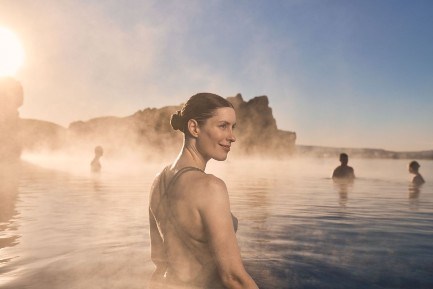
There's nothing quite like soaking in warm geothermal water while cold winter air surrounds you. Iceland offers everything from local public swimming pools to geothermal spas. Popular options include the Blue Lagoon, Sky Lagoon and numerous community pools throughout the country. Always check opening hours and book popular experiences in advance, particularly during the Christmas holidays.
Go Glacier Hiking
Experience Iceland's glaciers up close on a guided glacier hiking tour. Winter conditions can create extraordinary landscapes of snow, ice and deep crevasses. Always book with an experienced operator who provides appropriate equipment and evaluates daily conditions.
Enjoy Iceland's Winter Landscapes
Sometimes the simplest experiences are the most memorable.
Take a scenic drive, admire snow-covered mountains, photograph icy waterfalls or enjoy a peaceful walk through a winter landscape when conditions are safe.
Embrace Iceland's Cosy Winter Atmosphere
December in Iceland isn't just about snowy adventures. It's also the perfect time to embrace the cosy side of Icelandic life.
With long winter evenings, Icelanders know how to make the most of time indoors. Think candlelit cafés, a steaming cup of hot chocolate after exploring, warm geothermal pools surrounded by winter scenery, and peaceful evenings in a countryside cabin.
In Reykjavík, Christmas lights brighten the streets, while cafés and restaurants offer welcoming places to warm up after a day of sightseeing. And if you're lucky enough to stay in a countryside cottage, you might even catch the Northern Lights dancing outside your window.
It's this balance between outdoor adventures and comforting moments indoors that makes December such a special time to experience Iceland.

Events in Iceland in December
December is one of the most festive months of the year in Iceland. Christmas lights, traditional celebrations, family gatherings and New Year's Eve fireworks create a unique atmosphere throughout the country.
If you're visiting Iceland in December, don't miss the opportunity to experience some of these local traditions.
Advent and Christmas Markets
The Christmas season begins during Advent, when towns and villages across Iceland are decorated with lights.
Reykjavík is particularly festive, with illuminated streets, seasonal events and Christmas shopping. You can also explore Christmas markets and festive villages, including events in Hafnarfjörður and other towns. Expect local crafts, seasonal food, Christmas music and a warm atmosphere that contrasts beautifully with the cold winter weather.
Specific market dates and opening hours vary from year to year, so check local event schedules before visiting.
The 13 Icelandic Yule Lads
Forget the idea of just one Santa Claus! In Iceland, Christmas is associated with 13 Yule Lads, known as Jólasveinarnir.
According to Icelandic folklore, these mischievous characters come down from the mountains one by one between 12 and 24 December. Each Yule Lad has a distinctive personality and a particular habit, such as stealing sausages, licking spoons or slamming doors.
Icelandic children traditionally place a shoe on their windowsill before going to bed, hoping that the visiting Yule Lad will leave a small gift or treat.
You may encounter the Yule Lads at Christmas events and festive attractions throughout Iceland.
Jólabókaflóð: Iceland's Christmas Book Flood
One of Iceland's most charming Christmas traditions is Jólabókaflóð, which translates to "Christmas Book Flood".
Iceland has a strong literary culture, and many books are published and exchanged as gifts during the Christmas season. For many Icelanders, Christmas wouldn't be complete without a good book, a warm drink and a cosy evening at home. It's a lovely reminder that the Icelandic winter is not just about outdoor adventures, but also about slowing down and enjoying life's simple pleasures.
If you're visiting Reykjavík, browse one of the city's bookshops to experience this tradition for yourself.
The Winter Solstice
The winter solstice, usually occurring on 21 December, marks the shortest day of the year in Iceland.
In Reykjavík, daylight lasts just over four hours. Although this is the darkest period of the year, it also marks the moment when the days gradually begin getting longer again. The soft winter light and festive atmosphere make this a special time to experience Iceland.
Christmas in Iceland
Christmas is one of Iceland's most important family celebrations.
Unlike in some countries where Christmas Day is the main celebration, Icelanders traditionally celebrate Christmas on the evening of 24 December.
Families gather for festive meals, exchange gifts and spend time together. Visitors can enjoy Christmas decorations, seasonal dishes and a cosy atmosphere throughout December. Traditional Icelandic Christmas foods include smoked lamb (hangikjöt), festive biscuits and other seasonal specialities.
Important: Many restaurants, shops and attractions have reduced opening hours or close during 24–26 December. If you're travelling over Christmas, book your meals and activities in advance.
New Year's Eve in Reykjavík
New Year's Eve is one of the most spectacular celebrations of the year in Iceland.
As midnight approaches, the skies above Reykjavík fill with fireworks launched throughout the city. Unlike a single organised fireworks display, celebrations take place across neighbourhoods, creating an extraordinary atmosphere.
Popular areas for watching include viewpoints around Hallgrímskirkja and Perlan. Bonfires are also an important part of Icelandic New Year's Eve traditions, bringing communities together before the midnight celebrations.
If you're visiting at this time, plan your evening in advance, dress warmly and be prepared for busy streets and fireworks.

What to Wear in Iceland in December
Packing the right clothing is essential for a comfortable December trip. Although temperatures in coastal Iceland aren't always extremely low, the combination of wind, moisture and cold weather can make conditions feel much colder.
The best approach is to dress in layers, allowing you to adjust your clothing depending on the weather and your activities.
Essential Clothing for Iceland in December
- Thermal base layers: Merino wool or synthetic thermals will help keep you warm.
- Warm mid-layer: A wool jumper or fleece provides insulation.
- Waterproof and windproof jacket: Essential for protecting yourself against rain, snow and strong winds.
- Waterproof trousers: Particularly useful when visiting waterfalls or spending time outdoors.
- Warm hat, gloves and scarf: Protect yourself against cold temperatures and wind.
- Waterproof hiking boots: Choose sturdy boots with good grip and ankle support.
- Wool socks: Help keep your feet warm and comfortable.
- Crampons or ice grips: Useful for walking on slippery pavements and paths. Choose suitable traction aids for the terrain.
- Swimsuit: Don't forget it if you plan to visit geothermal pools or hot springs.
Other Useful Items to Pack
- A reusable water bottle
- A thermos for hot drinks
- A small daypack
- Sunglasses for the low winter sun
- A camera or smartphone with spare batteries or a power bank
- A European travel adapter if needed
Remember that phone and camera batteries can drain more quickly in cold weather, so keep your devices protected and charged.
If you're planning guided glacier hikes or ice cave tours, check with your operator about any additional clothing or equipment requirements.
Essential Tips for Driving in Iceland in December
A little preparation can make a big difference when exploring Iceland by car in winter.
Here are our most important recommendations for a safe and enjoyable December road trip.
1. Check the Weather and Road Conditions Every Day
Before setting off, check vedur.is for weather forecasts and warnings, and umferdin.is for road conditions and closures. Conditions can change quickly, so continue monitoring updates throughout the day.
2. Keep Your Itinerary Flexible
Avoid planning too many stops or long drives on consecutive days. Winter storms can affect travel plans, and having some flexibility allows you to adjust without unnecessary stress.
3. Drive Slowly and Maintain Extra Distance
Snow and ice can increase stopping distances considerably. Reduce your speed, avoid sudden braking and steering movements, and leave plenty of space between your vehicle and others.
4. Be Careful in Strong Winds
Strong gusts can affect vehicle stability, particularly on exposed roads. If severe winds are forecast, consider delaying your journey. Also, hold your car door firmly when opening it, as sudden gusts can damage doors.
5. Never Drive on Closed Roads
Road closures are there for your safety. Even if you're driving a 4x4, never enter a closed road or attempt to bypass barriers.
6. Plan Around Daylight
Make the most of the limited daylight by organising your main sightseeing stops during the brightest hours. If you drive in darkness, ensure conditions are safe and you're comfortable doing so.
7. Keep Your Vehicle Prepared
Before longer journeys, make sure you have enough fuel or battery charge, a charged phone and suitable warm clothing. Carry snacks and water, especially if travelling between towns.
8. Stop Only in Safe Locations
Iceland's scenery can be distracting, but never stop in the middle of the road or on a narrow shoulder to take photos. Use designated parking areas and viewpoints.
9. Share Your Travel Plans
Let someone know your planned route and expected arrival time, particularly when travelling outside populated areas. You can also use SafeTravel for safety information and travel planning resources.
10. Know When to Change Your Plans
One of the most important winter driving skills is knowing when not to drive. If weather warnings indicate dangerous conditions, postpone your journey and enjoy activities closer to your accommodation instead. Iceland's attractions will still be there when the weather improves!
Is Iceland Worth Visiting in December?
Absolutely! Iceland in December offers a wonderful combination of winter landscapes, Northern Lights, Christmas traditions and unforgettable outdoor experiences.
December invites you to experience Iceland at a different pace. With a flexible itinerary and a little preparation, you can embrace the beauty of winter, discover unique local traditions and make unforgettable memories along the way.
Ready to Explore Iceland in December?
A rental car gives you the freedom to discover Iceland's winter landscapes, explore at your own pace and adapt your plans to the weather.
At Lava Car Rental, we're here to help you get your road trip off to a smooth start. With studded winter tyres included as standard during the winter season, essential insurance included when booking directly and a friendly local team, you can focus on enjoying your Iceland adventure.
Explore our rental cars in Iceland and start planning your December road trip!
Frequently Asked Questions About Iceland in December
Is Iceland Crowded in December?
Early December is generally quieter than Iceland's summer high season, so you may encounter fewer visitors at popular attractions. However, Reykjavík and other tourist destinations can become busier around Christmas and New Year, especially during festive events.
Is Iceland Expensive to Visit in December?
December can be a good month for budget-conscious travellers, particularly during the first few weeks when flights, accommodation and rental cars may be more affordable than in peak summer. However, prices and demand often increase around Christmas and New Year. Booking in advance can help you find better deals.
Are Tourist Attractions Open in Iceland in December?
Yes, many of Iceland's most popular attractions, including the Golden Circle, South Coast waterfalls and geothermal pools, can be visited throughout winter. However, some facilities operate shorter hours, and certain outdoor locations may become temporarily inaccessible because of snow, ice or severe weather. Check opening hours and accessibility before visiting.
Is Iceland a Good Destination for Families in December?
Absolutely! Iceland can be a wonderful family destination in December, with Christmas lights, festive markets, geothermal swimming pools and the 13 Icelandic Yule Lads. Plan shorter sightseeing days, pack plenty of warm clothing and choose activities suitable for your children's ages. Leaving room for spontaneous stops and indoor activities will also make your trip more enjoyable.
Can You Visit Iceland's Hot Springs in December?
Yes! In fact, soaking in warm geothermal water while surrounded by cold winter air is one of Iceland's most enjoyable December experiences. Many geothermal spas and public swimming pools remain open throughout winter. However, check holiday opening hours and accessibility before visiting. For safety reasons, avoid hiking to remote natural hot springs when weather or trail conditions are unsuitable.
How Many Days Should You Spend in Iceland in December?
We recommend spending at least 5–7 days in Iceland in December to explore Reykjavík, the Golden Circle and parts of the South Coast at a comfortable pace. With 8–10 days, you can travel further and spend more time enjoying winter activities. Whatever your itinerary, allow some flexibility for changing weather conditions and possible travel delays.