
Table of Contents
- What Is a Coolcation?
- What Is a Summer Coolcation in Iceland Like?
- A Day During a Heatwave vs. A Day in Iceland
- A Real Summer: What There Is to Do in Iceland
- What a Day Looks Like on the Road in Iceland
- Is Iceland Crowded in Summer?
- Why Rent a Car for Your Iceland Coolcation?
- Plan Your Coolcation in Iceland
What Is a Coolcation?
A coolcation is a holiday in a destination with a cooler climate. Instead of spending the hottest part of the day indoors with the curtains closed, or searching for shade, travellers can enjoy comfortable temperatures and spend more time outside.
Heatwaves are no longer just a southern European problem. Summers have grown hotter and more unpredictable across much of the world, from Spain and Italy to the southern and western United States, where cities regularly issue extreme-heat warnings for weeks at a time. In recent years, heatwaves in southern and western Europe have pushed temperatures above 40°C (104°F), and in some cases past 45°C (113°F), with new national records set almost every summer. Parts of the United States see similar or even higher extremes, with cities in the American Southwest regularly recording 43–48°C (109–118°F) during peak summer heat events. During the worst of these heatwaves, official advice is often the same wherever they strike: stay indoors during the day, keep blinds and shutters closed, avoid strenuous outdoor activity altogether, and limit time outside to early morning or late evening. In some regions, non-essential water use, including topping up swimming pools, has also been restricted due to pressure on local water supplies.
As a result, destinations with naturally mild summers, including Iceland, Norway, Finland and Scotland, are becoming increasingly popular with travellers looking to actually spend their holiday outdoors rather than sheltering from it.
What Is a Summer Coolcation in Iceland Like?
Iceland is particularly well suited to a different kind of summer holiday, thanks to its mild climate, long daylight hours and wide variety of natural attractions. Along the coast and in Reykjavík, average summer temperatures are generally around 10–15°C (50–59°F), while sheltered inland areas in the North and East can warm up to a genuinely sunny 20–25°C (68–77°F) on the best days. Although the weather can change quickly, extreme heat is rare, and there is no need to plan your day around staying indoors, making it far easier to enjoy hiking, sightseeing and road trips throughout the day.
Here's what makes an Icelandic coolcation work so well:
- Fresh air and open landscapes: Iceland has one of the lowest population densities in Europe, from remote fjords to volcanic plains, there's plenty of space to slow down and reconnect with nature.
- Long hours of daylight: Around the summer solstice, Iceland experiences almost 24 hours of daylight, giving you far more usable hours in the day than most summer destinations.
- Geothermal bathing: Iceland's swimming pools, lagoons and natural hot springs are even more enjoyable when the surrounding air is cool.
- No established mosquito population: You may encounter small midges in certain places, particularly around lakes, but mosquitoes are not normally something you need to worry about here.
- Comfortable hiking conditions: Walk to waterfalls, glaciers, geothermal areas and viewpoints without the intense heat found in many summer destinations further south.
- Freedom to travel at your own pace: With a rental car, you can visit popular attractions outside the busiest hours and stop whenever something catches your eye.

Summer Temperatures: Iceland vs Heatwaves Elsewhere
| Destination | June | July | August |
| Reykjavík, Iceland | Typically 10–15°C (50–59°F), occasionally 18–20°C (64–68°F) | Typically 12–17°C (54–63°F), occasionally 20°C (68°F) or more | Typically 11–16°C (52–61°F), occasionally 18–20°C (64–68°F) |
| North and East Iceland | Often 12–18°C (54–64°F), occasionally above 20°C (68°F) | Often 14–20°C (57–68°F), occasionally reaching 25°C (77°F) | Often 12–18°C (54–64°F), occasionally above 20°C (68°F) |
| Rome during a heatwave | Can exceed 35–40°C (95–104°F) | Can reach 40–42°C (104–108°F) | Can reach 40–42°C (104–108°F) |
| Athens during a heatwave | Can exceed 40°C (104°F) | Can reach 42–45°C (108–113°F) | Can reach 42–45°C (108–113°F) |
| Madrid during a heatwave | Can exceed 38–42°C (100–108°F) | Can reach 42–45°C (108–113°F) | Can reach 42–45°C (108–113°F) |
| Southern France during a heatwave | Can exceed 35–40°C (95–104°F) | Can reach 40–43°C (104–109°F) | Can reach 40–43°C (104–109°F) |
| American Southwest during a heatwave | Can exceed 38–43°C (100–109°F) | Can reach 43–48°C (109–118°F) | Can reach 43–48°C (109–118°F) |
These figures illustrate the difference between typical Icelandic summer conditions and possible peak temperatures during heatwaves elsewhere in the world. Actual temperatures vary by location, year and weather conditions.
Approximate Daylight in Iceland
| Month | Approximate daylight | What to expect |
| May | 16–20 hours | Long days and fewer summer visitors |
| June | 20–24 hours | Midnight sun and almost no darkness |
| July | 18–21 hours | Mild temperatures and very long days |
| August | 14–18 hours | Long days with darker evenings returning |
A Day During a Heatwave vs. A Day in Iceland
The biggest difference between a coolcation and a typical summer holiday isn't just the temperature, it's what you're actually able to do with your day. During a serious heatwave, whether in southern Europe or the southern United States, entire afternoons are often written off before they start. In Iceland, the day is yours from the moment you pick up the car.
| Time of day | Europe or America during a heatwave | Iceland in summer |
| Morning | Head out early, before temperatures climb past comfortable levels | Full daylight from around 5–6am, no rush, no heat to beat |
| Midday | Stay indoors or seek air-conditioned spaces; outdoor activity discouraged | Hike to a waterfall, walk a black sand beach or visit a glacier in comfort |
| Afternoon | Avoid outdoor exertion, check local heat warnings, limit time in direct sun | Detour to a hot spring, quiet fjord road or coastal village, no restrictions |
| Evening | Wait for the "cool down," often still warm well after sunset | Still bright and mild, ideal for dinner, a short walk or a scenic drive |
| Night | Warm, often humid nights that make sleeping difficult | Cool, comfortable, with the midnight sun keeping the sky bright in June and July |
With Lava Car Rental, that freedom is built in from the start, just a car, an open road and the flexibility to go wherever the weather is best.
A Real Summer: What There Is to Do in Iceland
A coolcation does not necessarily mean a cold or grey holiday. Iceland has a proper summer, although it can feel very different from summer further south. When the sun comes out, Icelanders make the most of it. Barbecues are lit, outdoor swimming pools become busy and stopping for ice cream feels almost compulsory, regardless of the temperature.
Summer is also one of the best seasons for exploring Iceland's nature. The landscape becomes green, waterfalls are fed by melting snow and many hiking trails become more accessible. The Highland roads also begin to open, although the exact dates vary each year according to the weather and road conditions.
Here are some of the experiences worth building a road trip around:
- Golden Circle: Iceland's classic route, taking in Þingvellir National Park, the Geysir geothermal area and the powerful Gullfoss waterfall, all within easy reach of Reykjavík.

- South Coast waterfalls: Walk behind Seljalandsfoss and stand beneath the thundering Skógafoss, two of Iceland's most photographed waterfalls.

- Reynisfjara and Diamond Beach: Explore dramatic black sand beaches, one framed by basalt columns near Vík, the other scattered with glacier ice washed up from Jökulsárlón.
- Jökulsárlón Glacier Lagoon: Watch icebergs drift quietly out to sea, and take a boat tour between them if you have time.

- Highlands and Landmannalaugar: Once the F-roads open for summer, this is where Iceland's rhyolite mountains, hiking trails and natural hot springs come into their own, best reached with a 4x4.

- Snæfellsnes Peninsula: Often called "Iceland in miniature," with glaciers, lava fields, fishing villages and coastline all in one compact route.
- Westfjords: Iceland's quietest corner, with dramatic fjords, birdwatching cliffs and some of the country's least-visited scenery.

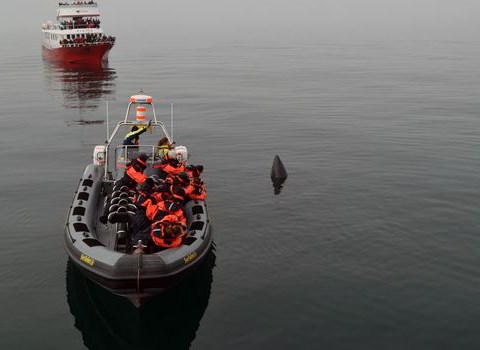
- Whale watching and puffins: Head to Húsavík in the north, or take a boat trip from Reykjavík, for a good chance of spotting whales, and puffins nesting along the cliffs through the summer months.

- Mývatn and Dettifoss: In the north, explore the geothermal area around Lake Mývatn and see Dettifoss, one of the most powerful waterfalls in Europe.
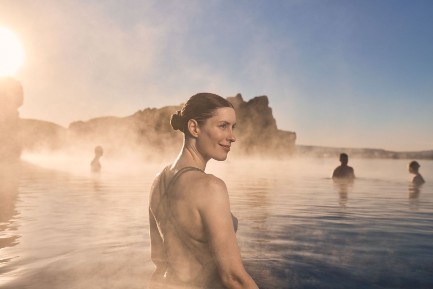
- Blue Lagoon and Sky Lagoon: Iceland's best-known geothermal spas, ideal for warming up after a day outdoors.

With your own car, all of this is within reach on your own schedule. At Lava Car Rental, we can help you plan a route that fits exactly what you want to see.
What a Day Looks Like on the Road in Iceland
One of the best things about visiting Iceland in summer is the flexibility provided by the long days, and having your own car means you get to use every hour of it.
Morning
Start your day in full daylight, even if you wake up early. Put on a few comfortable layers, grab a coffee, pick up your car and begin your road trip without needing to rush to avoid the midday heat.
Midday
Spend the middle of the day walking behind a waterfall, exploring a black sand beach or taking a guided glacier tour. Iceland's mild temperatures make outdoor activities more comfortable, although you should always be prepared for wind and rain.
Afternoon
Continue to your next destination or take a spontaneous detour to a geothermal pool, scenic viewpoint or small coastal village. A self-drive trip gives you the flexibility to adapt your plans to the weather and road conditions.
Evening
During June and July, evenings remain remarkably bright. You can enjoy dinner and still have time for another waterfall, a short walk or a quiet drive along the coast.
Some travellers also visit popular attractions later in the evening, when organised tours have often left for the day. Just remember to rest properly before continuing your journey.
Is Iceland Crowded in Summer?
Summer is Iceland's busiest travel season, and famous locations such as the Golden Circle, the South Coast and Jökulsárlón Glacier Lagoon can attract many visitors.
However, it is still possible to find quieter experiences. Visiting early in the morning or later in the evening can help you avoid the busiest periods. You can also explore less-visited areas such as the Westfjords, East Iceland, the Tröllaskagi Peninsula or the coastal roads of North Iceland.
It is worth keeping in mind, though, that even Iceland's busiest attractions are rarely comparable to a packed beach in southern Europe, or a crowded coastal boardwalk in the United States, in the middle of summer. With one of the lowest population densities in Europe, a quieter road, beach or viewpoint is often only a short drive away.
Having your own rental car makes this much easier. You are not tied to a tour schedule and can adjust your route as you travel, arriving early, staying late or skipping a busy stop altogether in favour of somewhere quieter down the road.

Why Rent a Car for Your Iceland Coolcation?
Iceland's natural attractions are spread across the country. Renting a car gives you the flexibility to choose your own route, spend longer at the places you love and change your plans when the weather does.
With a rental car, you can:
- Drive and explore the country at your own pace.
- Visit quieter towns, fjords and coastal areas.
- Travel outside the busiest sightseeing hours.
- Stop at viewpoints and attractions along the way.
- Adapt your itinerary to current weather and road conditions.
At Lava Car Rental, we help make your Icelandic road trip straightforward from the beginning. As a local Icelandic car rental company, we offer:
- A wide selection of vehicles for different routes, seasons and group sizes.
- Unlimited mileage.
- No deposit.
- Transparent rental conditions.
- Friendly local service.
- Convenient collection close to Keflavík International Airport.
Whether you need a small car for Reykjavík and the Golden Circle or a 4x4 for an adventure in the Highlands, you can choose a vehicle suited to your itinerary.

Plan Your Coolcation in Iceland
An Icelandic summer is about breathing in fresh air, discovering waterfalls and glaciers, relaxing in geothermal water and enjoying the freedom of long, bright days, wherever in the world you're used to spending your summers.
Rent a car, choose your route and experience Iceland at your own pace.
Ready for a refreshing summer adventure? Browse our rental cars and start planning your Iceland road trip.
Frequently Asked Questions
Is Iceland cooler than the rest of Europe in summer?
Iceland is considerably cooler than many popular summer destinations, both in southern Europe and elsewhere. Average summer temperatures along the coast, including Reykjavík, are generally around 10–15°C (50–59°F), while sheltered inland areas of the North and East can reach a warmer 20–25°C (68–77°F) on the best days. By comparison, temperatures in Mediterranean destinations can regularly exceed 30°C (86°F), and heatwave peaks in southern Europe and the southern United States have topped 45°C (113°F) in recent years.
Does Iceland ever get warm?
Yes. Iceland occasionally experiences warm summer days, particularly in sheltered areas of North and East Iceland. Temperatures can sometimes reach around 20–25°C (68–77°F), although this is not the norm across the country.
Are there mosquitoes in Iceland?
Iceland has no established mosquito population. Small midges can be found in certain areas, but mosquitoes are not generally a concern for travellers.
Is it light all night in Iceland?
Around the summer solstice in June, Iceland experiences almost 24 hours of daylight. The nights remain very bright throughout much of July. By August, darker evenings gradually return, but the days are still long.
Is Iceland busy during summer?
June, July and August are Iceland's busiest travel months. Popular attractions can become crowded during the day, but visiting early in the morning or later in the evening can provide a quieter experience. Travelling beyond the best-known routes also makes it easier to find peaceful locations, and crowd levels are still generally lower than at major southern European tourist beaches.
When is the best time for a coolcation in Iceland?
June to August offers Iceland's mildest weather and longest days. June has the midnight sun, July is generally the warmest month and August brings slightly darker evenings.
Late May and September can also be good choices if you prefer fewer visitors, but the temperatures may be cooler and the weather less predictable.